

The dark cockpit: what aviation can teach lean leaders
INTERVIEW – A Brazilian pilot examines the parallels between aviation and Lean, explaining how the "dark cockpit" philosophy focuses a captain’s attention on abnormalities to improve problem solving and decision making.
Interviewee: Captain Alexandre Gandini
Interviewer: Juan Ruiz
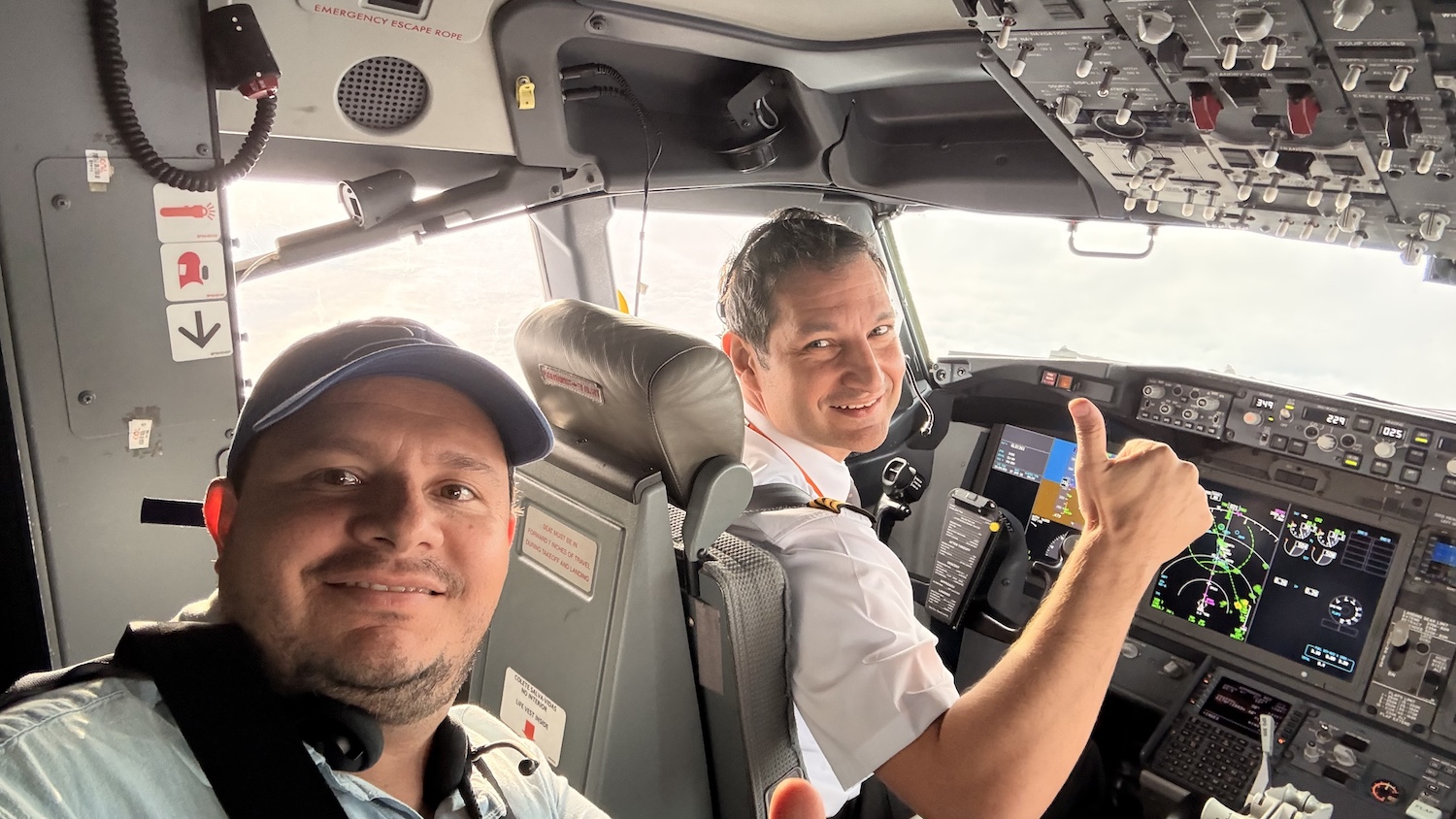
Recently, Juan joined Captain Alexandre Gandini in the cockpit during two GOL Airlines flights from São Paulo Congonhas to Florianópolis and back. This interview is based on their conversation before and after the flights.
Juan Ruiz: When people think about pilots, technical expertise is one of the first things that come to mind. But after spending time with you, I kept thinking: a pilot is also a leader who solves problems all the time. Does that resonate with you?
Captain Alexandre Gandini: Completely. In fact, I think problem solving is the central part of the job today. Flying the airplane is obviously essential, but modern aircraft are incredibly automated. The pilot’s role has evolved. Today, we spend much more time understanding the situation, anticipating problems, managing resources, and making decisions under uncertainty.
What makes aviation different from many corporate environments is that decision can’t be postponed.
JR: One thing that struck me was how your preparation for a flight resembled an A3 process.
AG: I agree. There’s a strong parallel there. Before every flight, the first thing we try to do is understand the context. What’s happening structurally? Is there construction work happening at the airport? What’s the weather like? Are there restrictions? Is there variability in the operation?
Then, once I reach the aircraft, I move into the specifics of the flight itself: aircraft condition, maintenance items, route, fuel, alternates, and so on.
It’s very similar to Lean Thinking. First you understand the context, then you assess the current state, then you build an action plan.
JR: How important is situational awareness in a highly standardized environment like the cockpit?
AG: A pilot cannot be rigid. The sequence we follow is standardized, yes, but reality is never fully standardized. Every flight changes. A delay changes things, as do missing crew, weather, turbulence, or maintenance.
The pilot has to constantly absorb information, reassess the situation, and adapt. That’s what situational awareness is all about.
Our main decision-making tool is communication and information flow. That’s why I always encourage the crew to bring problems or concerns as early as possible.
Time is our most precious resource. In aviation, it translates into fuel consumption, passenger connections, weather windows, airport slots.
Sometimes the difference between a good and bad decision is simply whether you had enough time to evaluate the situation properly. That’s why we try to surface problems early. If you wait too long, the number of options available to you decreases dramatically.
JR: One thing I find fascinating is the division of roles in the cockpit. You described the captain as having a “broad focus” and the first officer as having a “narrow focus.”
AG: Yes. On the ground, the captain monitors the operation, anticipates disruptions, and solves problems, while the first officer focuses on calculations, procedures, and more detailed tasks. Then we cross-check together.
If both pilots kept a broad focus, nobody would perform the calculations correctly. If both focused narrowly, nobody would understand the overall situation. So, we deliberately create complementary perspectives. You need both, and that balance has become even more important with digitalization.
JR: Speaking of digitalization, I think the concept of “dark cockpit” is incredibly interesting. Can you tell us about it?
AG: The idea of the “dark cockpit” emerged as a design philosophy in the late 1970s and early 1980s with the digitalization of cockpits. Aircraft designed and manufactured before that time had a lot of gauges and analog pointers. Pilots had to memorize operating ranges — for example, what it meant for the oil indicator to be in the yellow or red position — relying heavily on memory and spending a lot of cognitive capacity just on checking normal conditions. Back in the day, some aircraft even had a flight engineer, whose job was to monitor the systems during the flight. This excess of information got in the way, and identifying an anomaly would often take a long time.
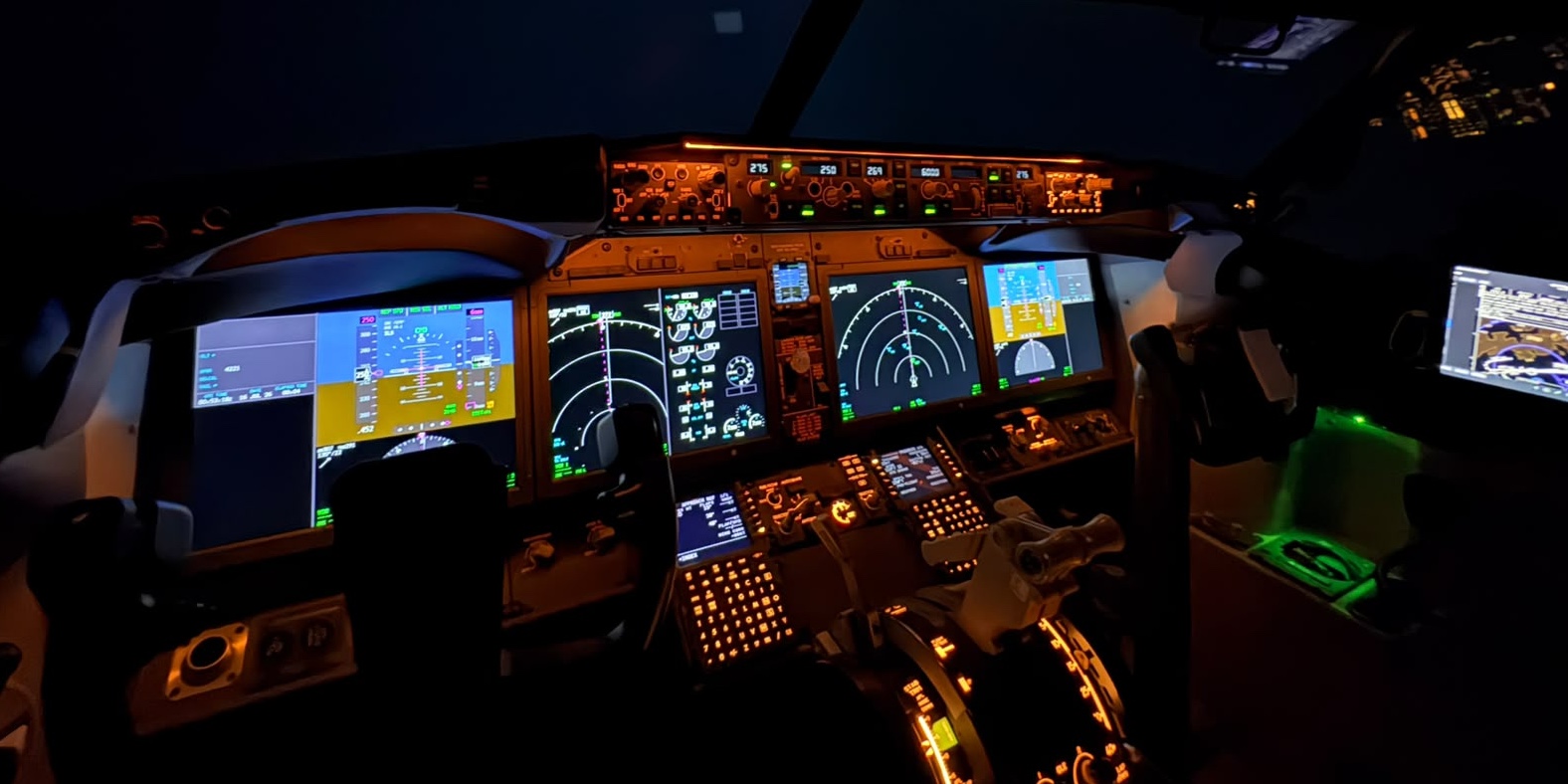
Things started to change with the first generation of digital cockpits — commonly known as "glass cockpits" — where analog pointers began to be replaced by screens. It was a shift in philosophy: we removed any indication of things running smoothly and started focusing on what is abnormal. The dark cockpit is the most recent iteration of this kind of system, where all indicators and gauges are replaced with lights that simply stay off when everything is normal. Basically, no light, no warning. Only if something happens does a light turn on and to draw attention to the problem.
JR: Another very lean idea…
AG: If you overload people with information, the risk is that the real problem becomes invisible. In older systems, there was too much noise. Today the philosophy is the opposite: only show what matters.
I think companies struggle with this. Leaders often ask for excessive amounts of information and end up unable to see the actual problem.
JR: In practice, what happens in the dark cockpit when an abnormality occurs?
AG: The dark cockpit philosophy keeps the cockpit visually "quiet" during normal operations: when everything is functioning correctly, warning lights remain off. If an abnormal condition occurs — such as an unlatched door, low fuel pressure, or a fire — a warning light illuminates (accompanied by an audio alert for critical failures), immediately directing the pilots to the affected system so they can identify the problem, run the appropriate checklist, and focus on managing the situation rather than first having to diagnose it.
Looking at the Boeing 737, for example, which is the aircraft I fly, when something is abnormal, the first light that comes on is the Master Caution light, right in front of the pilot. Let’s say I had a fuel pump failure. The Master Caution would come on to warm me. To the right, a panel would indicate “fuel” and lead me to look directly at the fuel section of the overhead panel. There, I’d find the “low pressure” warning light on. From there, I can focus on figuring out the cause of the problem. Is it a mechanical failure of the pump? A lack of fuel in the tank? Something else?
.jpeg)
JR: What did the introduction of the dark cockpit mean for the work of a pilot?
AG: With automation taking over many manual tasks, the work philosophy has changed a lot, and the pilot's role has evolved from executing procedures to managing the flight. We used to be trained heavily on identifying failures, diagnosing problems, and memorizing parameters. Today, thanks to modern systems, we can monitor safety, identify and mitigate risks, optimize efficiency, and make higher-level operational decisions, instead. We can think of how to improve the flight, its safety and other aspects precisely because we don’t need to keep monitoring the onboard systems.
For example, before EICAS (Boeing’s Engine Indication and Crew Alerting System), a hydraulic failure was usually detected through its symptoms — such as a flight control problem or autopilot disengagement. The pilots then had to diagnose the cause by checking multiple gauges, comparing the pressure and fluid levels of each hydraulic system before identifying the fault and applying the appropriate procedures. With EICAS, the aircraft immediately displays the specific failure, allowing the crew to go straight to the relevant checklist and focus on operational decisions, such as whether they can continue to their destination or need to divert.
JR: What’s the most immediate parallel you can draw between the dark cockpit concept and Lean?
AG: I see a strong parallel between the dark cockpit and the andon, for example. In both cases, the goal isn't to display everything that's working normally, but to make abnormalities immediately visible so people can focus on solving problems rather than searching for them. A dark cockpit manages the pilot's attention by reducing cognitive load and highlighting only what requires action; lean visual management does the same for teams, creating processes that flow quietly while making exceptions impossible to miss. In both cases, the aim is to direct human attention to where judgment, decisions, and action are needed most.
JR: There was an interesting moment during the first flight I joined you on, when turbulence increased and you decided to leave the seatbelt sign on, but you also scheduled a reassessment ten minutes later. In the corporate mindset, leaders often feel pressure to make one definite decision and stick to it. That’s basically PDCA is real time!
AG: We decided to keep passengers seated because of turbulence, but instead of treating that as a final decision, we decided to review the situation ten minutes later.
Once we collected new information, we were able to reevaluate the situation and adjusted accordingly. That’s what aviation really is about: continuous reassessment. Conditions change too fast not to reevaluate all the time. And interestingly, many of these decisions are not fully prescribed by manuals. The procedures exist, but there’s still a large component of judgment and experience.
That’s where know-how matters.

JR: Lean often distinguishes between standards and rigid bureaucracy. Standards are necessary, but reality always creates situations where judgment is required. Does aviation operate similarly?
AG: Absolutely. The standard does not replace thinking. People sometimes imagine aviation as an environment where everything is scripted, but it isn’t. Standards exist because they create stability and safety, but there are situations where you have to make a different decision.
For example, regulations allow us to deviate from procedures if safety requires it. Maybe the standard alternate airport suddenly develops storms. Maybe the safest option is somewhere else entirely.
The important thing is understanding the situation and making a justified decision.
JR: So the pilot has autonomy?
AG: Yes, but with accountability. Pilots gather information from the first officers, cabin crews, operations and air traffic control, but they still have to make the final decision.
And I think that’s something many organizations struggle with today. Leaders gather information endlessly but hesitate to decide. In aviation, there’s no postponing indefinitely.
One of the key responsibilities of a pilot is protecting decision-making time before the situation degrades.
JR: What is the role of checklists?
AG: The checklist is a recovery barrier. Normally we already know the sequence of actions. The checklist exists because humans forget things. Our resilience doesn’t come from never making mistakes; it comes from having systems that catch mistakes and anticipate problems.
JR: Which again feels very lean. Lean systems are not built around perfect humans. They’re built around exposing and recovering from problems early.
AG: The same applies to crew resource management, or CRM. Modern CRM evolved tremendously after accidents like the Hudson River landing.
Today, the philosophy is essentially scientific thinking: assess, plan, decide, reassess. That loop never stops. Even in an engine failure, the instinct might be to restart immediately. But first you assess reality. Where can I land? What are my options? What is the safest sequence?
You don’t react emotionally. You evaluate, always.
JUAN’S FINAL COMMENTS
Talking with Captain Gandini, I kept coming back to that image of the dark cockpit — no lights, no noise, until something needs attention. It's a simple idea, but it captures something many organizations still get wrong: the belief that more information, more dashboards, more metrics automatically produce better decisions. What aviation has learned is the opposite: clarity doesn't come from showing everything, but from designing systems that stay quiet when things are working and speak up, clearly and immediately, when they aren't. That is the same instinct behind the andon cord, and it's a discipline many lean transformations still struggle to build.
But the dark cockpit is only half the lesson. What struck me just as much was watching how Gandini and his crew used the silence that discipline creates — not to relax, but to think. Pilots reassess continuously (like Gandini did with the turbulence and seat belt sign), even deviating from a standard when conditions demand it, protecting decision time before a situation degrades: none of that is written into a manual as a fixed answer. It's judgment, exercised inside a structure built to make room for it. Perhaps that's the real lesson for lean leaders. Standards and visual signals don't remove the need for thinking; they allow for it. The goal was never a quiet cockpit for its own sake. It was giving the people responsible enough clarity, and enough time, to decide well.
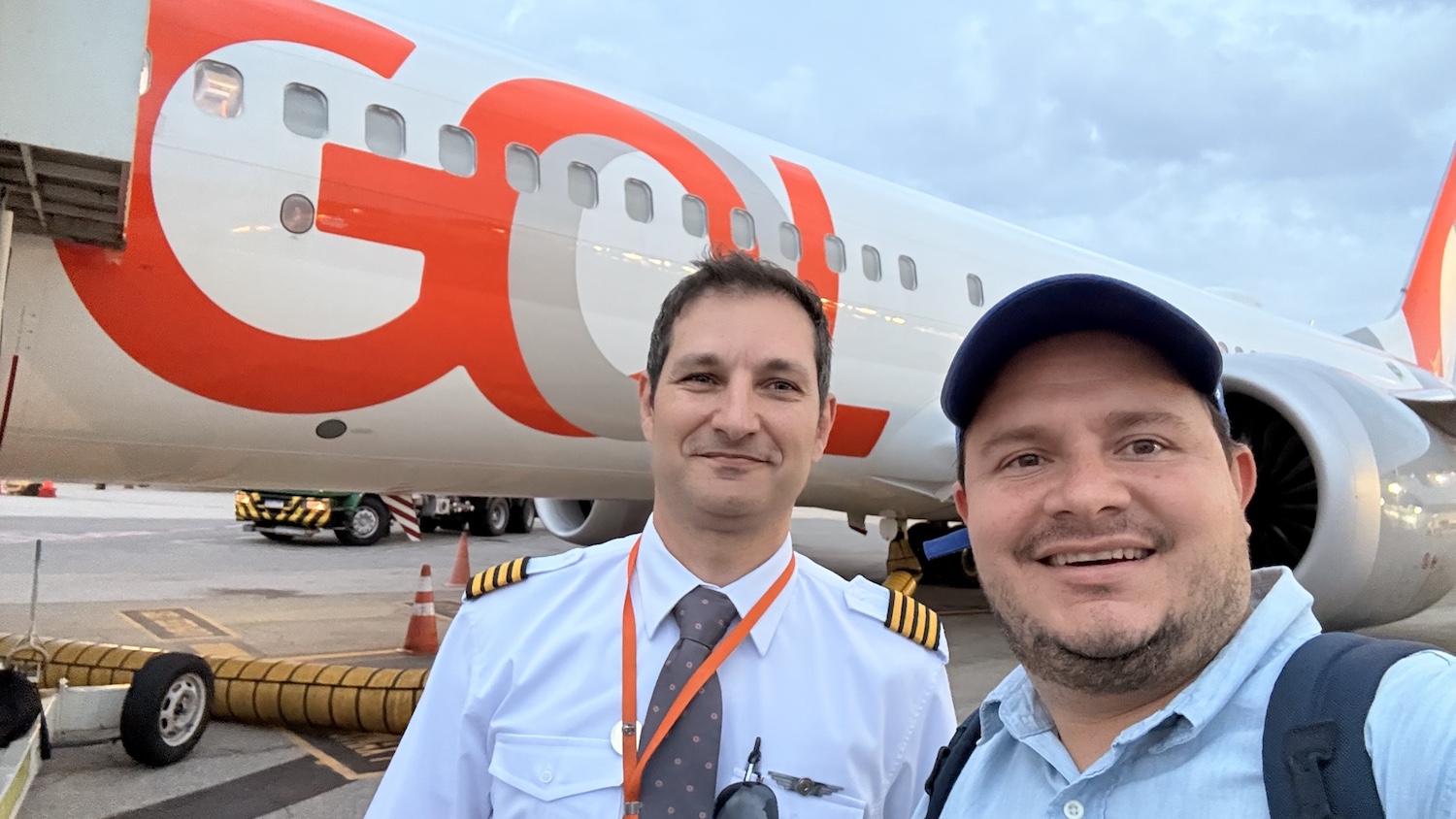
THE INTERVIEWEE AND THE INTERVIEWER
Read more


MY AHA MOMENTS – The author looks back on a factory transformation that proved lasting change begins when improvement becomes people’s own idea.

FEATURE – Lean transformations often fail because of well-intentioned CEOs undermining autonomy, mastery, and purpose. The author reminds us why leaders need change themselves first.

FEATURE – Coaching people is the only way to truly develop their capabilities, but what does it take to become a good lean coach? Josh Howell on how humility helped him to improve his ability to coach.
CALL TO ARMS – Despite the spread of lean principles across the world, only a handful of universities have included the methodology in their programs. This article is a call-to-arms telling us why we have an obligation towards future generations.
Read more
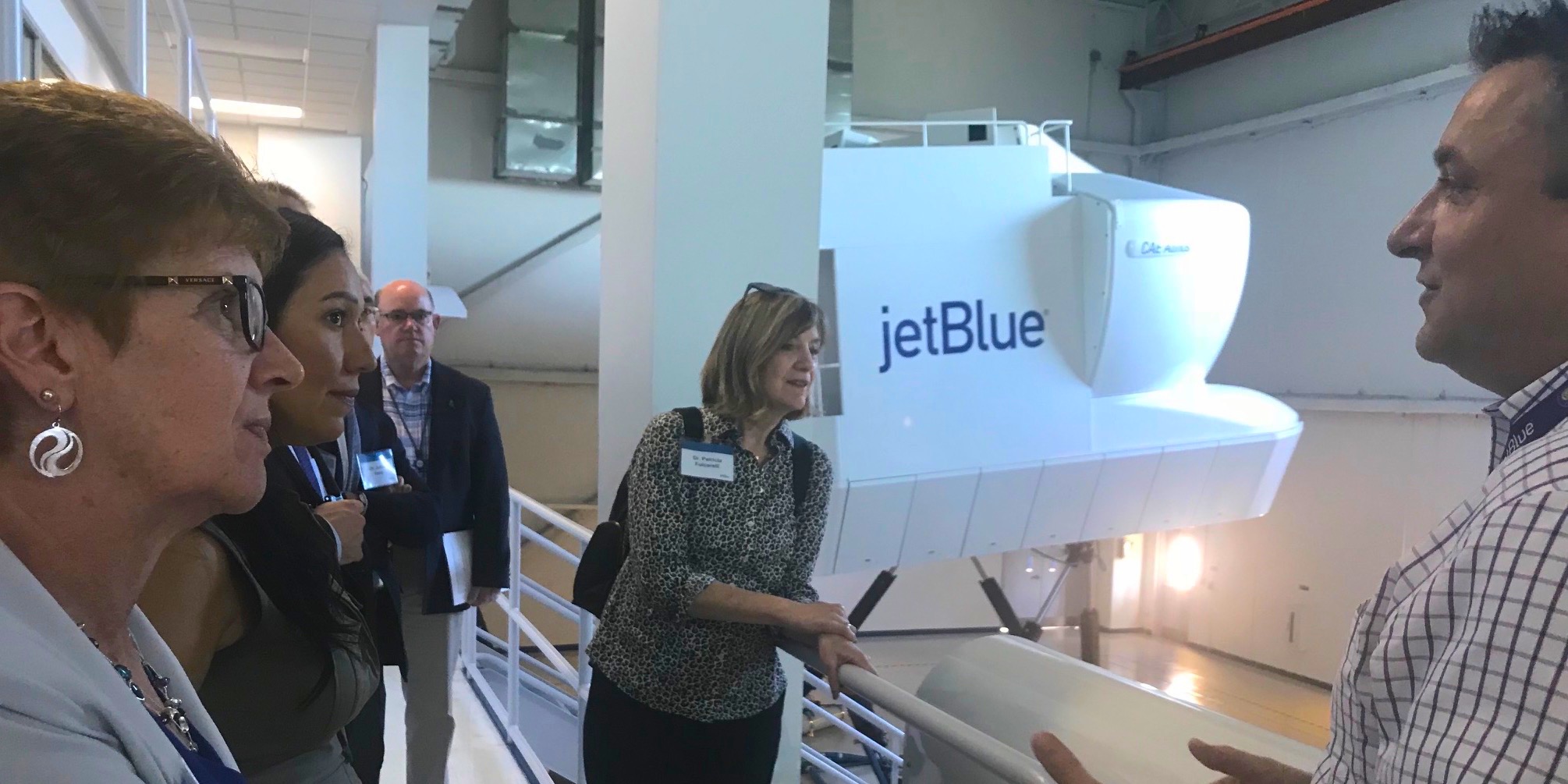
FEATURE – In a bid to find inspiration and new ideas to achieve excellent outcomes in patient safety, a group from a Boston hospital flew to Orlando to visit JetBlue Airways.

INTERVIEW - Having to adapt to changing customer needs, KLM Catering Services decided to turn to lean thinking, reducing its changeover times and recycling more.

INTERVIEW – We speak with avianca’s VP of Maintenance and Engineering to learn about the efforts the airline is making to fulfil its promise to passengers.

NOTES FROM THE GEMBA – The author visits the Parisian airport of Orly to learn about a pilot project (pun intended) that aims to tackle the late departure of flights using lean thinking.