


"The learning path of a leader"
BOOK REVIEW – For our series of Q&As on recently published novel Lead With Respect, René Aernoudts shares what the key lessons learnt were for him.
Interviewee: René Aernoudts, President, Lean Management Instituut
Planet Lean: Lead With Respect came out a few weeks ago. Why should lean practitioners read it?
René Aernoudts: It will provide them with very useful guidelines and shed a light on the misconceptions and doubts we often have about leading the lean way. Anyone can learn from this great read, because it illustrates every aspect and step of the learning path of a leader in a very vivid way.
PL: If you only had three words to describe Lead With Respect, what would those words be?
RA: Read - This - Book? Or Read - It - Twice? Seriously, now… I think they would be inspirational, insightful, and people-centric. As a guide to lean leadership, the book inspires us to adopt a new way of managing organizations, based on the idea of respecting people as the foundation of a successful business, and offers insights into how to get there while making these newly found principles parts of our business system.
PL: What's new in this novel compared to Freddy and Michael Ballé's previous work?
RA: It shares with readers a set of pointers and principles on how to manage from a leader’s perspective, and how to do this in a systematic way. It also focuses on dealing with people who are experiencing a transformation. I think that the great thing about Lead With Respect is that it has enough commonalities with the previous novels to provide continuity (above all, the unique style in which Michael and Freddy write), while at the same time giving the reader new, powerful lessons that had not been shared before.
PL: How does the book help us to better understand the concept of ‘respect for people’?
RA: It makes the concept extremely real, and helps you to understand how to apply the ideas presented to your own work environment. It painted a very clear picture for me of some of the things I can practically work on with my own people at the institute. It also reinforced a very important message in my mind: the need for a leader to challenge and help people so that they will succeed. Many thanks to Michael and Freddy Ballé for sharing this story!
THE INTERVIEWEE
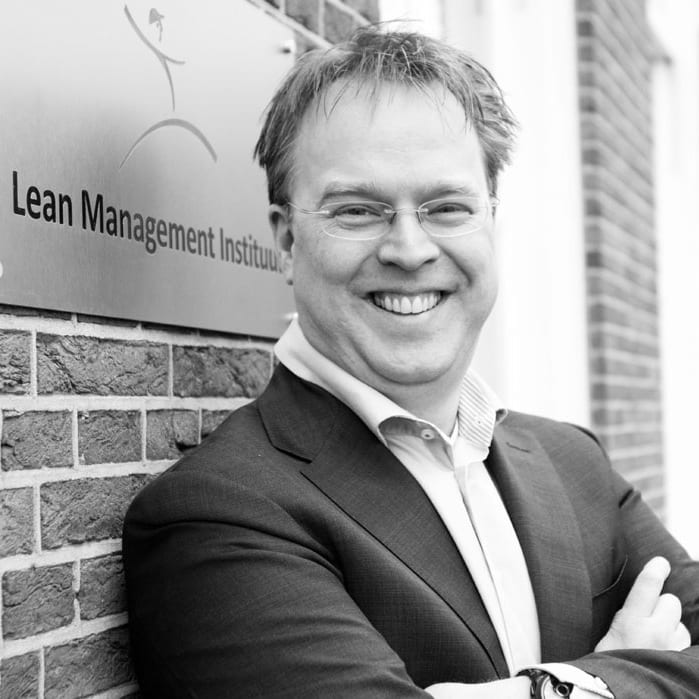
René Aernoudts is the president of the Lean Management Instituut in Zeist, The Netherlands, which he founded in February 2004. The institute has been spreading lean thinking in the Netherlands and beyond for the past decade. Before founding the LMI, René was a managing director at a consulting firm for nearly eight years, specializing in lean. After graduating at Erasmus University in Rotterdam he became a lecturer at two Business Schools. He then worked in Logistics at the Flower Auction before starting his consulting career. René has assisted dozens of companies in their lean journeys.
Read more
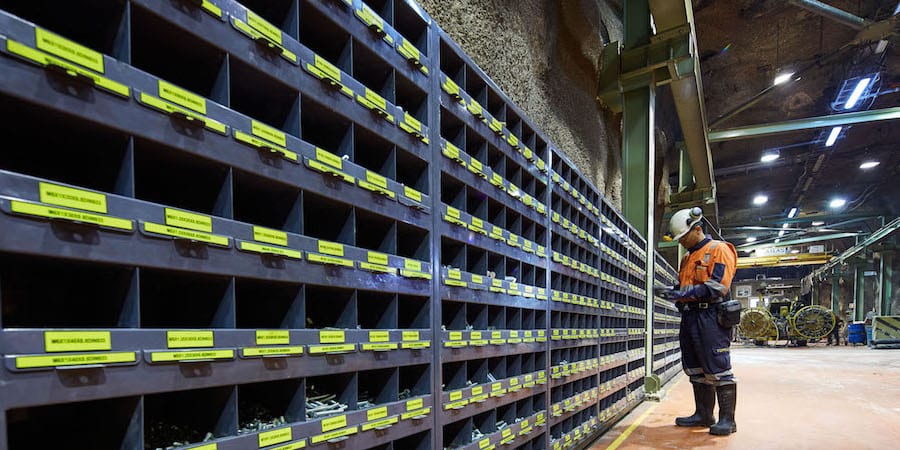

CASE STUDY – Over the past four years, by developing its kaizen capabilities and crafting a better approach to maintenance, a Turkish gold mine has significantly reduced its extraction costs.

FEATURE – Day after day, groundbreaking technological advances are dramatically changing industry. It is clear that we are now experiencing a new industrial revolution, but what’s the role of lean thinking in this Digital Age?
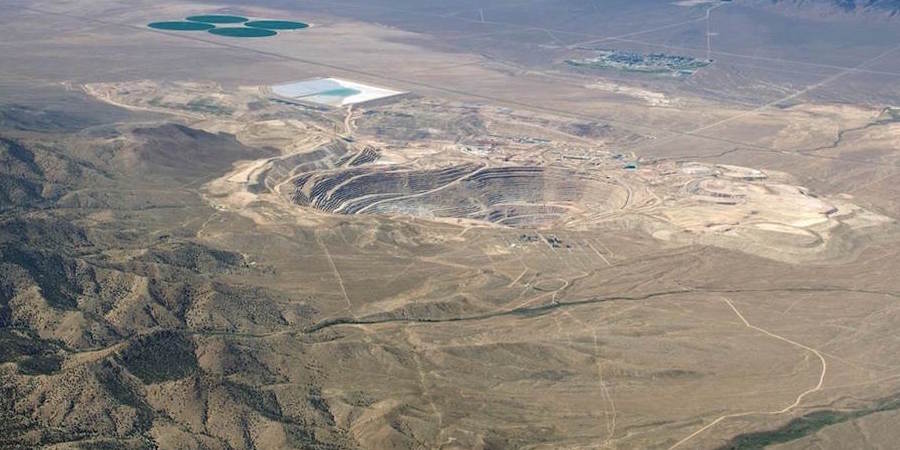
CASE STUDY – The extraordinary transformation of Kinross' Round Mountain gold mine in Nevada over the past six years shows that lean thinking can – quite literally – move mountains.
FEATURE – What are the immediate signs that tell us that our workplace is not conducive to kaizen? The author draws on his experience as a coach at the gemba to highlight them. Look out for them in your own company!