


Stand there first
MY AHA MOMENTS – Opening a reflective new series on his lean “aha” moments, the author recalls discovering the power of gemba observation to reveal hidden capacity without investment.
Words: Daniel Halvarsson
"We're talking about a lot of money. And the problem is that we need capacity now — not after six months of approvals and another year of installation," said the production manager, his frustration filling the stuffy meeting room. Around him sat production engineers and team leads from an ABB (now Hitachi Energy) high-voltage manufacturing facility in Sweden, all facing the same wall. Projected onto it was a sprawling Excel sheet, the draft business case for expanding the test cell, the most expensive station on the production floor. Cost estimates. Timelines. Milestones and capacity projections. I was in that room too, early in my career, and I remember staring at that spreadsheet with complete certainty that the answer was somewhere in its columns. The test cell was the bottleneck. We needed more capacity. The only question was how fast we could move the money.
I wasn't wrong about the urgency. Deliveries were slipping and customers were waiting. But I was wrong about the answer—and so was everyone else in that room. We never took the time to walk those 50 meters separating us from the production floor and the test room, to watch the actual work we were so busy trying to fund.
A week later, the same group gathered for an internal lean training session that had been organized earlier that year. The test cell bottleneck surfaced immediately. The frustration was fresh, the business case still grinding through its early stages. One of the production engineers began outlining the investment rationale, the numbers he and his colleagues had been refining all week.
In the corner sat a senior facilitator, a man who had been with the company long enough to have seen problems like this come and go. He listened quietly as the discussion built momentum. Then, without raising his voice, he pushed his chair back to the table and stood up. "Let's take a walk," he said.
No framework. No explanation of what we were about to do or why. Just an older man who had seen enough to know when a room full of people was focusing on the wrong thing.
Standing on the production floor, the constraint looked different than it did on the Excel sheet. The queue in front of the test cell was a forest of units packed so densely you could barely see through to the other side. And the pile kept growing, week by week, while the testers worked steadily inside. I had walked past this queue many times, but never stopped to look and try to understand why it was so big.
After a while, as we stood on that floor watching, one of the production engineers shifted his weight and checked his watch. "We should get back," he said. "We need to align and finalize those numbers." The production manager held up a hand. "Wait. There's something here."
And there was. The testers were spending a significant portion of their time inside the cell on preparation, connecting wires, arranging cables, configuring setups. All necessary steps. But not one of them was testing. The cell's most expensive resource was being consumed by work that didn't require it.
Finally, a production leader broke the silence, "Why can't we move that preparation outside the test room? Isn't that just waste?"
Someone pushed back: "It's not really waste. It's value-enabling." The production leader wasn't deterred. "Sure, but do we really have to do it inside the test room? I mean, does this require our highly trained testers?" The production manager nodded slowly. "You're right. Someone else can do that. And then we get much more through the test room."
The team spent the rest of that day observing, listing every step that wasn't pure value-adding work. They even ran an experiment: one tester prepared all cabling outside the cell beforehand. It worked. That single change freed roughly 30% of the time inside the cell. Within weeks, a standard procedure was in place. Effective testing capacity increased by 30 to 40%. No capital expenditure. No new equipment. The constraint that had justified a significant budget request dissolved because one man stood up from his chair and said, "Let's take a walk."
That was nearly two decades ago. Since then, I have worked with many different organizations across industries, and the pattern is always the same. Today we sit in Zoom meetings, where leadership teams discuss the fate of factories they visit once or twice a year. I watch production managers and line managers spend more hours in video calls at their desks than walking around on the floor they are responsible for. The distance between the decision-maker and the gemba is no longer fifty meters. It is a screen, a time zone, sometimes an ocean.
The most expensive decision in that room that day was the one we almost made without looking. And I worry that still today, in meeting rooms and on video calls in every type of industry, we are repeating the same mistake over and over again.
THE AUTHOR

Read more
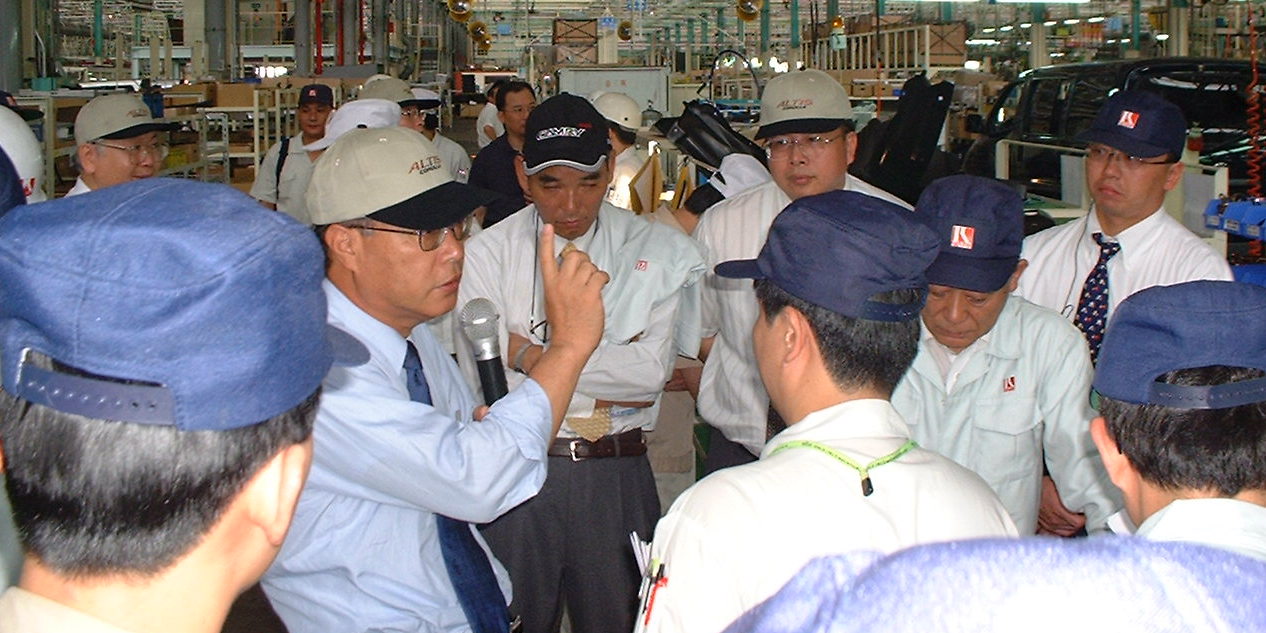

FEATURE – This intimate account looks back at the time one of the authors spent working with Harada-san and how it shaped his career and encouraged him to spread TPS knowledge.

CASE STUDY – Thanks to a commitment to Lean Thinking and a solid coaching system, this hospital in China has been able to initiate a remarkable transformation.
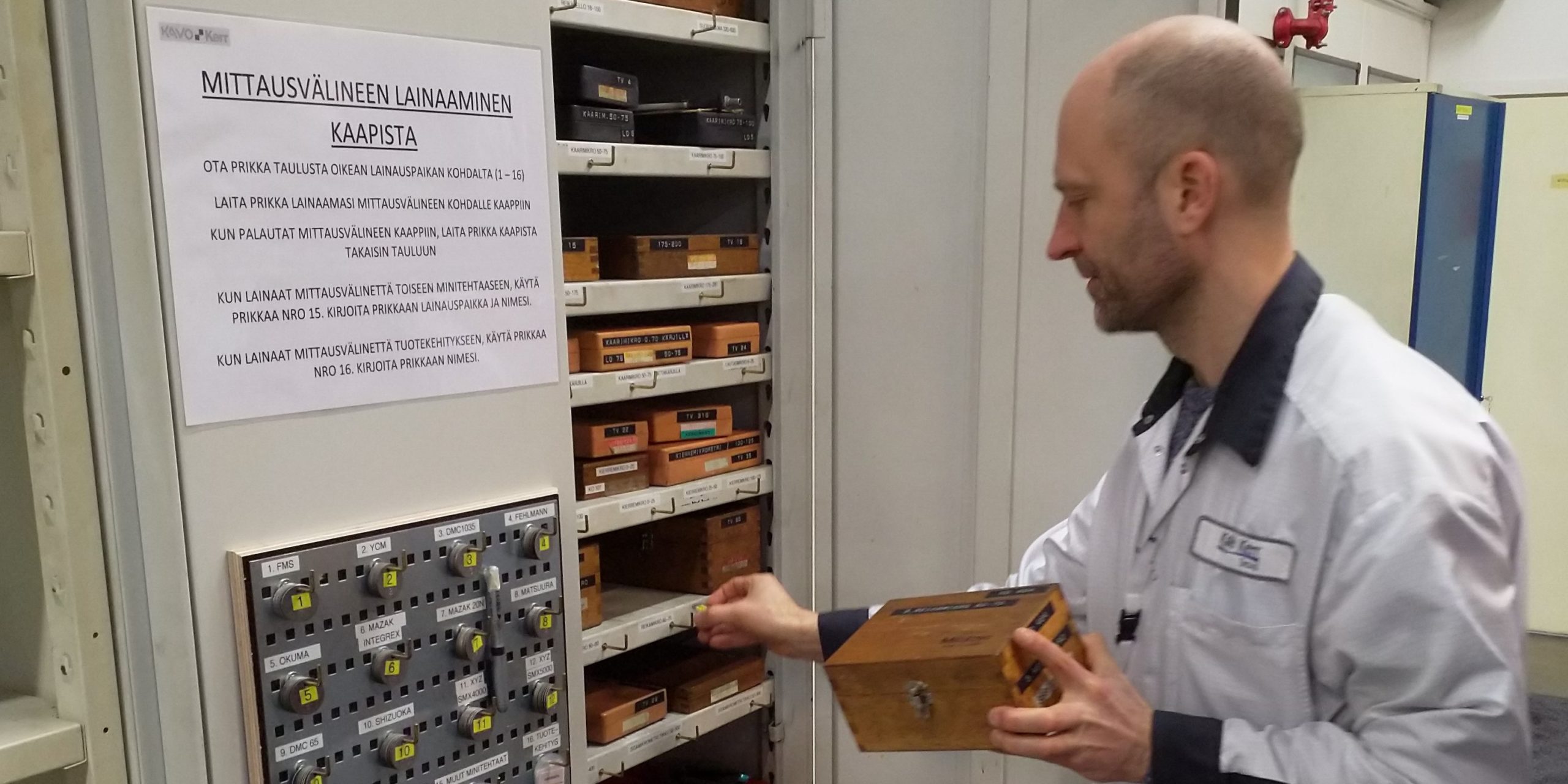
FEATURE – When people become enthusiastic about improvement work, there's no limit to what can be achieved. Join the author on a visit to a Finland-based manufacturer, whose lean efforts range from production to customer service.

RESEARCH – A recent report by the National Audit Office looks at what works and what doesn’t when lean management is applied in UK government organizations.
Read more

FEATURE – The author discusses the practices that can help us make the most of the traditional mantra “go see, ask why, and show respect”.

FEATURE – Michael Ballé shares a few tricks he uses to escape his default thinking and ensure he makes the most of every gemba walk he goes on.
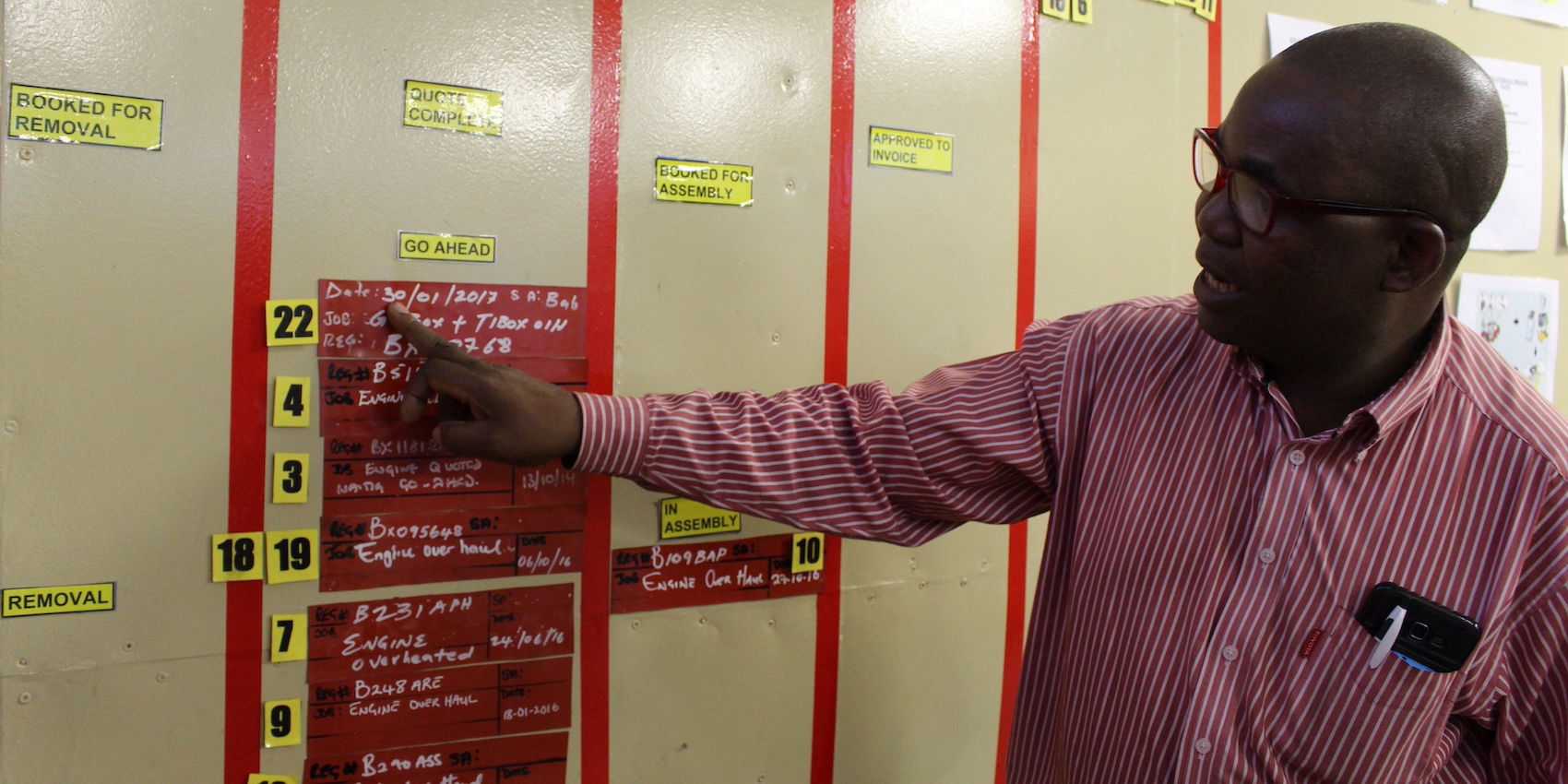
FEATURE – Sharon Visser shares her leader’s standard work from when she ran the Ngami car dealership and encourages us to use what we see at gemba to shape our own.
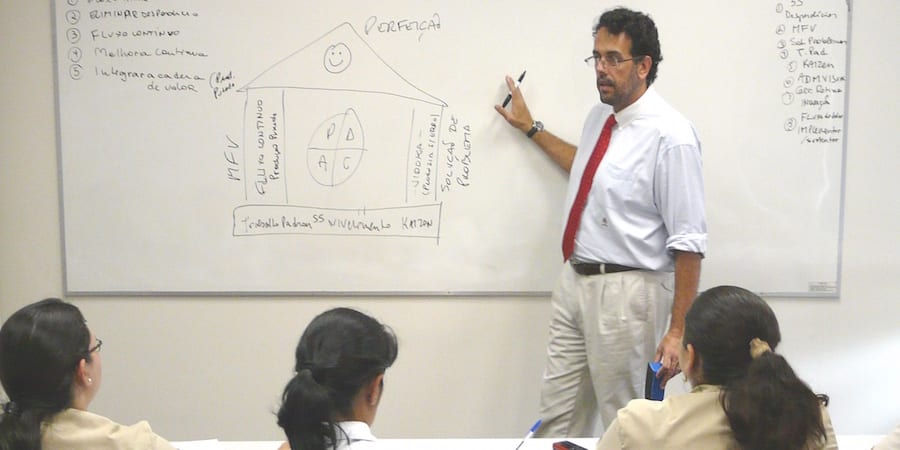
PROFILE – It isn’t every day that you come across a hospital CEO coaching people on A3s and following his own standard work. So when you do, it’s important to share their story. This month we profile the CEO of a Brazilian cancer treatment center.