


Happy Lean: putting people at the center of our transformation
CASE STUDY – By combining lean methods with happiness science, Vietnamese company Biti’s transformed its culture, improving performance, engagement, and wellbeing while placing people at the heart of continuous improvement.
Words: Cindy Vuu
Photo courtesy of Biti's
As lean practitioners, we often pride ourselves on our ability to eliminate waste, optimize flow, and improve efficiency. These are the skills many of us spend years mastering. But over time I began to ask myself a deeper question: what comes next? Even when we become very good at the lean tools, we still struggle with the most fundamental challenge of all: the human element. How do we move from a culture of simple compliance to a culture of trust, respect, and commitment? What truly drives continuous improvement in the long run?
For us, the answer began to emerge when we explored what happens if we combined Lean with the science of happiness. What if we started seeing our lean transformation as deeply intertwined with people’s inner wellbeing—as well as systems and processes? What if we intentionally design a model that integrates people’s heads, hearts, and hands?
This question became the foundation of our business model.
A NATIONAL BRAND WITH A LONG HISTORY
Biti’s is a company deeply rooted in Vietnamese society. We were founded in 1982, only seven years after the end of the American War, during a time when the country was still rebuilding itself. Over the past four decades we have grown into one of Vietnam’s most trusted footwear brands.
Today, we produce more than 18 million pairs of shoes every year and employ over 6,200 people. Our operations include four factories, mainly located in southern Vietnam, as well as six domestic distribution branches, 24 overseas distributors, around 200 retail stores, and more than 800 nationwide distribution channels.
For many Vietnamese families, Biti’s products have been part of every-day life for generations. People often refer to us as a national heritage brand, and we take that responsibility very seriously. Serving Vietnamese families has always been at the core of our mission.
But our long history also brought some challenges. Because Biti’s was founded shortly after the war, the company developed a management culture that was highly disciplined and top-down. Many of our early employees came from farming backgrounds, so strict structure and strong direction were seen as necessary to ensure productivity in a factory environment.
For many years this system worked. It helped us build our manufacturing capabilities and grow our business. However, over time we began to notice problems emerging. Younger generations were less attracted to this type of hierarchical workplace, and recruiting talent became more difficult. At the same time, many employees were reluctant to become managers because they saw how much pressure managers received from senior leadership.
In short, we realized that our culture had become too fear-based. If we wanted to continue growing and remain competitive, we needed to change. The question we asked ourselves was simple: how can we transform a fearful culture into a more caring and loving culture within the company?
LAUNCHING THE HAPPINESS PROJECT
In 2018, we launched what we called the Happiness Project at Biti’s. The idea was to place human wellbeing at the center of our transformation.
To guide us, we invited Dr. Ha Vinh Tho, who previously served as the program director of Bhutan’s Gross National Happiness Center. The country of Bhutan is famous for measuring national progress not only through economic indicators but through happiness and wellbeing. We wanted to learn how those ideas could apply inside an organization.
Our project focuses on the individual. We believe that the happiness of our organization depends on the happiness of each person within it. So we began equipping our employees with what we call “happiness skills,” built around the connection with ourselves, the connection with others, and the connection with nature.
Connection with ourselves begins with mindfulness. We train employees in mindfulness practices that help them develop greater self-awareness, emotional clarity, and concentration. When people understand their own emotions and thoughts more clearly, they are better able to learn, grow, and make thoughtful decisions.
Connection with others focuses on communication. We teach deep listening and compassionate speech so that colleagues can interact with each other more respectfully and effectively.
The third connection is with nature. We help employees understand the importance of environmental awareness and recognize nature as a source of wellbeing and balance.
CREATING SPACE FOR HAPPINESS AT WORK
Training alone is not enough, of course. We wanted these practices to become part of everyday life at Biti’s. That’s why, for example, every meeting in our company begins with two minutes of mindfulness. This short pause allows everyone to settle their minds before starting the discussion. We also begin meetings with a short check-in. Before we talk about tasks or problems, we take a moment to connect with one another and understand how people are feeling. Each department also receives one hour every week for a sharing circle. During this time employees practice mindfulness exercises, reflect on their experiences, and strengthen their relationships with colleagues. These sessions help create a stronger sense of belonging within teams.
To evaluate our progress, we conduct an annual survey inspired by the Gross National Happiness framework. The survey contains 117 questions across nine domains: psychological wellbeing, health, good governance, community vitality, ecological diversity and resilience, culture, time use, education, and living standards.
After we receive the results, teams come together to discuss them. If a particular domain receives a low score, we explore how we can improve it. Our goal is to create balance across all areas of wellbeing.
INTEGRATING HAPPINESS WITH LEAN
While we developed the Happiness Project, our lean transformation advanced. For us, Lean became a natural expression of our core value of continuous improvement. Supported by Khoa Nguyen of Kim Dang Consulting, we designed a lean “house” that integrates traditional lean tools with our human-centered philosophy.
At the foundation we implemented practices, such as 6S, visual management, waste elimination, health and safety improvements, and workforce flexibility. On the operational level we applied tools like value stream mapping, continuous flow, Kanban, and cell layouts. For quality, we adopted systems like poka-yoke, andon, PDCA problem-solving, and standardized work. At the top of the house is our larger purpose: contributing to sustainable development while building a culture that supports people, processes, and the environment.
We have seen remarkable operational results stemming from the shift in our company culture and from our lean journey.
By redesigning layouts and improving flows, we significantly reduced transportation distances and costs inside our factories. Production areas became much more efficient. For example, the sewing line area was reduced by 24%, the finishing line by 51%, the screen-printing process by 53%, and warehouse space by 44%.
Our investment in Lean was around 8 billion Vietnamese dong, while the cost savings reached approximately 10 billion dong, giving us a return on investment of more than 25 percent. We also reduced fuel consumption, electricity use, and plastic packaging, contributing to our environmental goals.
But some of the most meaningful results have been social rather than financial. Because Lean freed up factory space, we were able to create new facilities that support our employees. One of my favorite examples is the kindergarten we built inside our Saigon factory. Around 70% of our workforce are women, many of them mothers. The kindergarten allows them to bring their children to work and visit them during breaks. It provides a safe and caring environment for the children while giving parents peace of mind. For me, this is one of the most beautiful outcomes of Lean: by improving efficiency, we created space for something deeply human.
LESSONS FROM OUR JOURNEY
Through our experience, I have learned that Lean success is primarily about people. At Biti’s, we started small, piloting ideas with committed teams and involving employees directly in the process. We also realized the importance of preparing people emotionally before introducing change.
Before launching our lean initiatives, we focused on building inner readiness through happiness training. By strengthening mindfulness, emotional awareness, and connection, employees became more open to transformation. We also used structured change management approaches, such as Kotter’s eight-step model, to guide the transformation process.
Most importantly, we made it clear that Lean was not about eliminating jobs but about helping us work more effectively together.
For us, Lean and happiness are two sides of the same transformation. When people feel connected, respected, and valued, continuous improvement becomes natural. And when Lean creates better processes and environments, people have more space to thrive. In the end, I believe the true engine of Lean is not the tools we use, but the happiness of the people who use them.

THE AUTHOR

Read more


FEATURE – Thanks to Lean, EHA Clinics improved safety, efficiency, and patient experience. Now they’re hoping their results will inspire a growing movement to transform healthcare across Nigeria.

FEATURE – How do you ensure that visual management doesn’t become anything more than a way to reassure the boss, rather than foster a learning and problem solving culture? The author reflects on her company’s journey towards effective visualization.
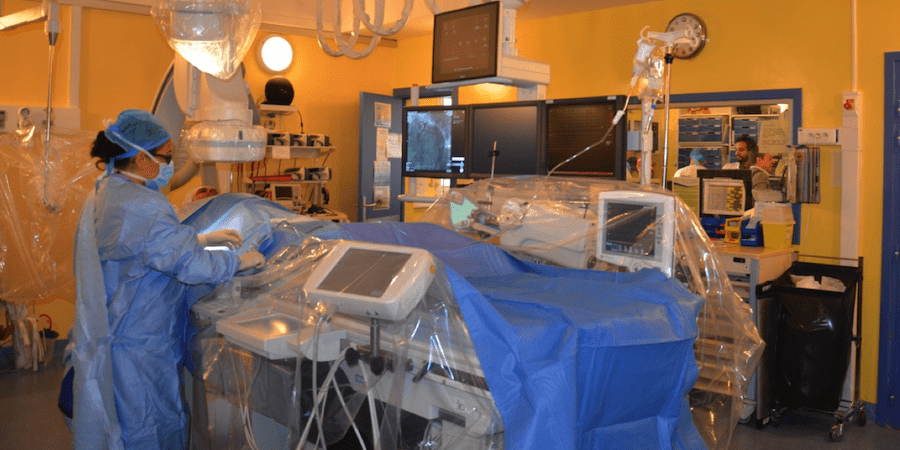
NOTES FROM THE GEMBA – On this gemba walk in the cardiology department of a Parisian hospital, the author discovers how the team is changing its internal dynamics and processes to make lean their way of thinking.
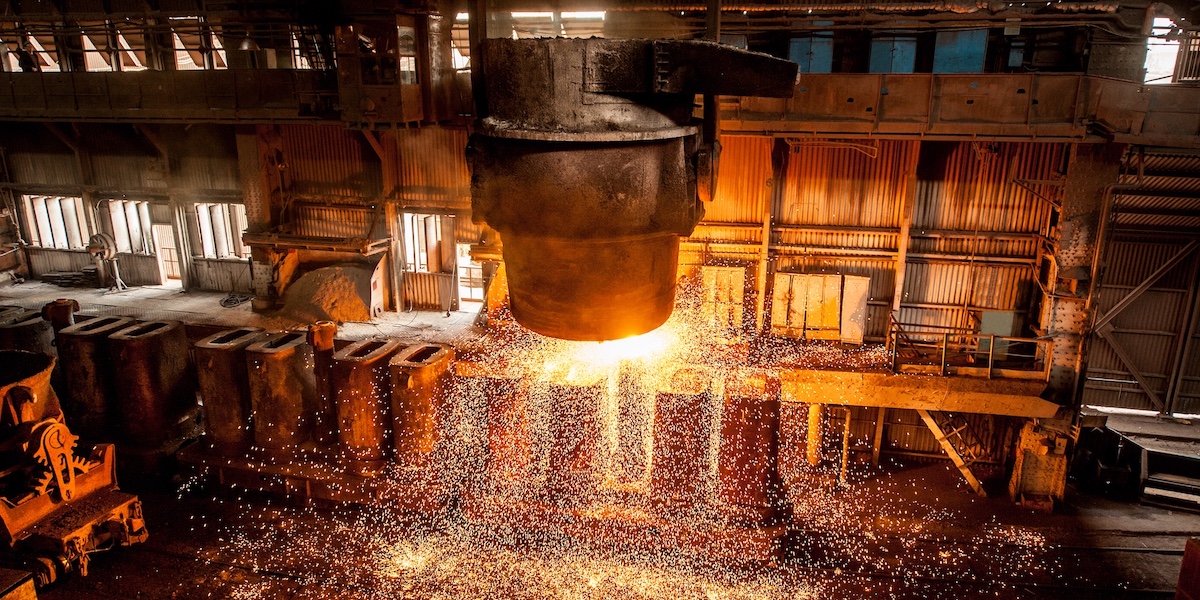
CASE STUDY – This Indonesian nickel smelter used Lean to stabilize furnace operations by reducing excess carbon in calcine through root-cause problem solving, automation, and operator-driven improvements at the gemba.
Read more

ROUNDUP – Our editor reflects on the all-important lean concept of “respect for people” and shares some of the best content published by Planet Lean on the subject.
FEATURE - Mission creep, silos and a disengaged workforce are some of the negative effects of traditional management. Michael Ballé offers an alternative based on the respect for people principle of lean thinking.

CASE STUDY – This Brazilian agrobusiness has developed a unique and clever management system that puts people at the heart of the work.
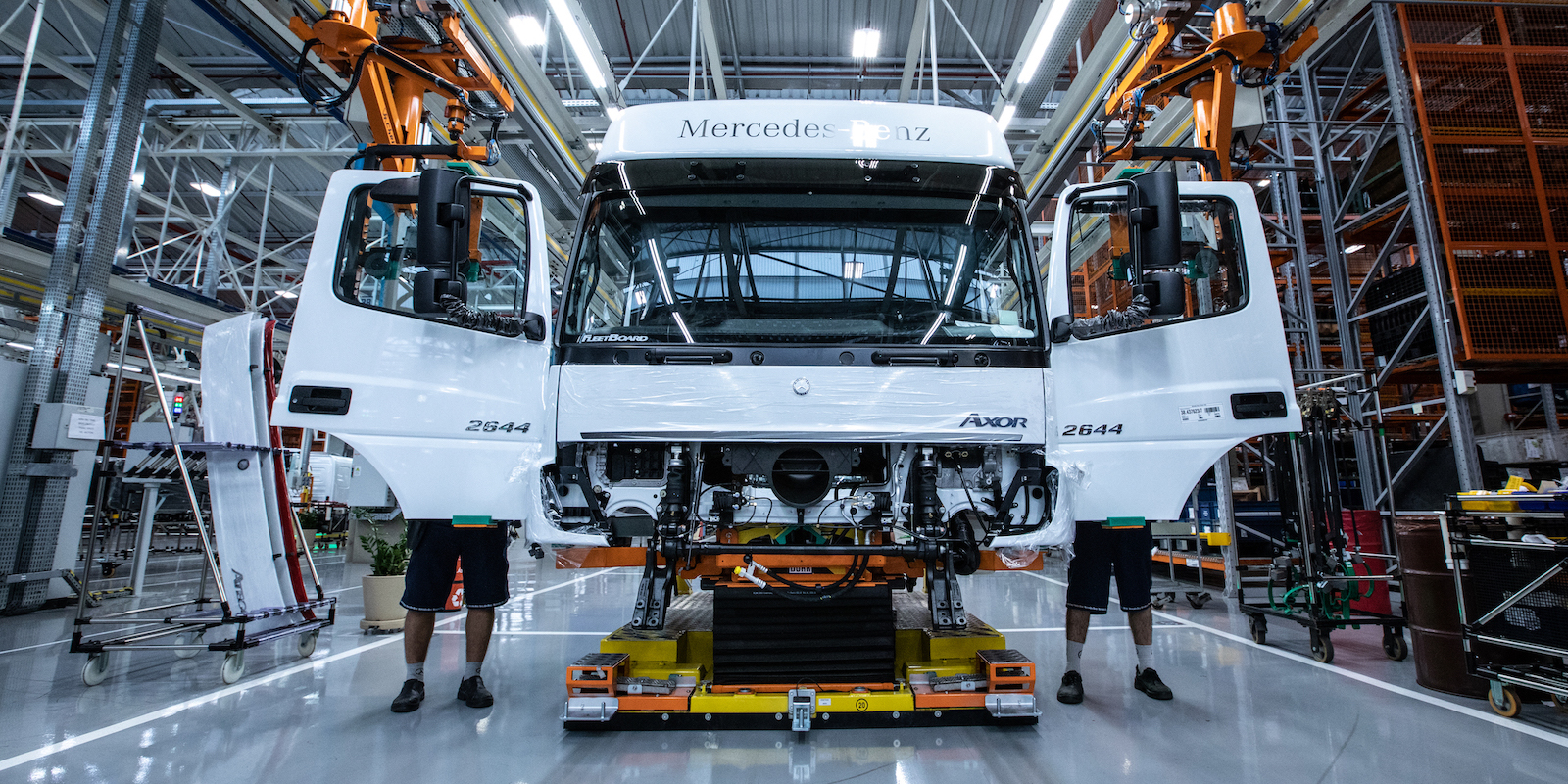
CASE STUDY – This article briefly outlines the different stages of the lean transformation at Mercedes Benz Brazil, as the company looked for the best approach to engage everyone in continuous improvement.