


Lean was always an experiment
FEATURE – Lean was built through experiments. So why do so many of us answer what others are trying with a shrug and a “that isn’t real lean”? The author argues the habit is starving the movement.
Words: Josh Howell
This article is being co-published by Planet Lean and the Lean Post.
Toyota didn’t design its production system; it experimented its way to it, over generations. Sakichi Toyoda’s looms were the result of years of trial and error, and from them came the idea of a machine that stops itself when something goes wrong, the basis of jidoka. His son Kiichiro, who was building up a car company from scratch, set out to make only what was needed, when it was needed: just-in-time. Eiji Toyoda, who went on to lead the organization, brought the idea of a suggestion system back from Ford.
Taiichi Ohno’s own work in Toyota’s machine shops in the early 1950s belongs to that tradition of experimentation. His constant changes threw the shop into chaos, and plenty of people thought he was wrong. Kanban itself took almost a decade to reach companywide use. It survived because leadership owned and protected the experiment: by Ohno’s own account, facing resistance from some executives, he needed the backing of Eiji Toyoda. Had his critics won, TPS and lean might not be with us today.
That experimental habit still defines Toyota. Toyota borrows and tests—from American supermarkets to, more recently, Agile at Toyota Connected. When it wrote down its culture, it even put a year in the title to communicate a baseline, The Toyota Way 2001, later followed by the Toyota Way 2020. Evolution was expected. And it has never frozen its own practice. Visit more than one Toyota plant, which I get to do in my role at LEI, or even more than one line in the same plant, and you’ll see variation. The line-side boards look different, and some, despite stiff resistance, are going digital. What they’re for doesn’t change, though: making problems visible fast.
Toyota is comfortable with that variation. Many of us in the lean community are not. If Ohno shared his kanban experiment today, I bet someone would tell him it wasn’t real lean.
WHY LEARNING TOGETHER IS HARD
In September 2026, Istituto Lean Management, one of 27 institutes in the Lean Global Network (LGN), hosted this year’s member gathering in Italy. More than 40 of us spent a week reporting on developments from our institutes, collaborating in working groups, and getting hands-on at the gemba alongside employees of a host company.
Our community needs more activities like this. They represent a great opportunity for learning together. But having attended many of these gatherings over the years, I’ve come to appreciate how hard learning together is. One reason: when someone shares what they’re trying (a hospital’s version of daily management, a builder’s take on pull, a new team’s first value-stream map), the response is all too often a verdict, not curiosity. “That isn’t real lean.” “They don’t understand.” “Whatever.” I’ve delivered plenty of those myself, including that week in Italy. More on that later.
Now I’m asking myself: What explains that behavior? What does it accomplish? And what’s the cost?
I understand the impulse. Many of us are fighting to keep lean alive and prove its relevance in a fast-changing world. And, indeed, it is under threat: from consultants who sell it as a toolkit, and from executives who use it as cover for cost-cutting. That fear is legitimate. I share it. But just as lean’s exploiters can hollow it out, its guardians can starve it. Every time we tell someone who is genuinely trying to apply lean principles or practices that what they’re doing isn’t real lean, we risk losing one of the people the movement needs to survive. In fact, I know people who have thrown in the towel.
EVERYONE STARTED WITH A PARTIAL MAP
Each of us sees only part of the whole, most likely the lean piece we know best. Partial views are simply how knowledge as broad and deep as lean travels. A plant tour, a few years at a Toyota supplier, a sensei teaching what they know best. Each gives someone a real but partial view—a view they pass along. Unfortunately, an unwillingness to recognize this often leads to unfair fault-finding and barriers to learning.
A fuller map existed early. Way back in 1990, Jim Womack, Dan Jones, and Daniel Roos wrote The Machine That Changed the World, which described a whole lean enterprise: product development, supplier partnerships, customer relationships, and how all of it is managed. Yet most of what followed stemmed from the factory material, and understandably so. The study’s headline numbers came from assembly plants, and factory work is more physical, with shorter cycles, than work in other areas. It’s easier to see, and you can see it often. So when Womack went on to found LEI, our early best-selling books, starting with Learning to See, pointed people to the shop floor. We drew a partial map of the territory we had already described in full.
So now we’ve inherited many maps, each drawn by people who saw part of the territory. That’s one reason lean in hospitals looks different from lean on construction sites. Some of those differences are mistakes. Others are sensible adaptations. A few are discoveries the original mapmakers hadn’t made. And when someone’s work doesn’t match the map we were handed, it’s tempting to call it “wrong” instead of investigating what part of the territory they’re seeing.
All of this is to say lean didn’t arrive as a finished doctrine. It was built by people running experiments, many of which their peers thought were mistakes. Not every change is an experiment, of course. A real one starts from a standard, makes a prediction, and checks both process and result. But the willingness to run them is where lean came from. A version of lean that can’t tolerate experiments has kept the vocabulary and lost the philosophy.
JUDGMENT GETS IN THE WAY
The problem isn’t judging; it is judging without earning the right to. Verdicts we haven’t earned the right to give tend to arrive in a few familiar ways.
Sometimes it’s judging from a distance. Look no further than the lean discourse on LinkedIn. Someone posts a photo or a message that describes an activity or an approach. Most of the reactions and comments are positive, encouraging experimentation, learning, and sharing. But someone (and in the lean community, it seems like there’s always someone) has to explain why it isn’t real lean. Often the complaint is that it doesn’t go far enough. But leaders need to start somewhere, try something, and often convince themselves, their managers, and their workforce before they commit further. From a distance, you can’t see that. Their coaches and collaborators can, but we rarely check with them. The path to “all” runs through “some.”
The irony, of course, is that the most lean thing any of us can do is go and see: stand where the work happens, grasp the context, ask what problem the team is trying to solve, and listen for what they’re learning. But that’s hard. It takes time, travel, and the humility to be shown something you didn’t expect. It’s way easier to criticize from behind a keyboard.
Other times, we go see without really seeing, much less engaging. Think of the difference between a typical gemba walk and standing in the same spot for hours, observing until you understand the process. Going to see is often not enough, because seeing is one thing (industrial tourism), but closely studying the work and engaging with the people doing that work is a different thing altogether.
And then there’s the verdict without ownership. Influencing the people who do the work, even if you just want them to consider alternatives, means caring more about being effective than about being right. At Toyota, even blunt verdicts carry weight because the person delivering them owns the outcome. That’s coaching. When I’ve offered a verdict and walked away, I wasn’t coaching anyone. I was just trying to be right.
Recently, I visited an obeya with a study group of people from different industries, companies, and functions. Most of our comments were about elements we believed were missing. None of us knew the people who ran the room or anything about their backgrounds. We could have asked what decisions the room helped the team make last week. Or who owned the problems flagged in red. That would have told us far more than our lists of what was missing, and we might have learned something.
Not every critique is a ruling, of course. Pointing out a missing prerequisite, like stability before flow, is a correction worth making. But underneath many of these criticisms is a claim to own lean itself: there is one true lean, and I hold it. I’ve made that claim. So have others at LEI. It’s human nature. Sometimes it’s sincere. Sometimes it’s a brand. Either way, it starves the movement of the people it needs most: newcomers who are trying, early practitioners who are steadily gaining experience and confidence, and perhaps even pioneers completing or drawing entirely new maps.
LOOKING THROUGH THE LEAN FRAME
None of this means everything labeled lean is lean. Some practices wear the name and plainly contradict it: cutting headcount with no regard for value, deploying tools with no problem to solve and no learning cycle, treating people as costs to cut rather than as a source of improvement worth investing in.
So how do you tell the difference without simply handing down another verdict? Not by drawing a line, but by looking through a frame: a set of questions to ask. At LEI, ours come from the Lean Transformation Framework (LTF):
- What is the value-driven purpose, or the problem to solve?
- What is the work to be done to solve it?
- What capabilities are required to do and improve that work?
- What management system and leadership behaviors are needed to both get the job done and develop the people?
- What basic thinking, mindsets, and assumptions must we have for all of the above?
The framework doesn’t prescribe tools, but it does reflect a point of view, one full of dualities if not paradoxes: continuous improvement and respect for people, getting the job done and developing people, top-down and bottom-up, just-in-time and built-in quality. Most of the “that isn’t lean” fights I see are really fights over an or: one person’s tool or another’s, Toyota’s form or yours. LTF also doesn’t impose a roadmap. Its questions don’t decide who is lean and who isn’t. They are meant to give you something better to ask than “Is this real lean?”
None of this means we shouldn’t judge. It means we have to earn the right to. At Toyota, a standard is a basis for comparison: without one, you can’t see a problem or an improvement. So the question to ask of an unfamiliar approach isn’t whether it matches what you learned or typically do. It’s whether there’s a standard, what they expected to happen, and what actually did. A change with no standard, no prediction, and no check isn’t an experiment, and no one learns from it. That’s drift, and it’s fair to say so, once you’ve gone to see, engaged with the people doing the work, and are ready to own what happens next.
The framework is one lens among others, and LEI doesn’t own lean any more than anyone else does. It’s simply the best way we’ve found to practice good lean thinking.
GO SEE, THEN BUILD
Back to Italy. The CEO of our host company and his team welcomed us warmly and generously gave us access to their gemba. I mean, what could possibly go wrong when more than 40 lean folks from all over the world are unleashed on your shop floor? Che azienda coraggiosa! (Such a courageous company!)
Our large group was organized into nine small teams of four to six, each given a problem to solve. Some weren’t problems I’d have picked. They had no clear customer or value focus, and no performance gap to close. Without a gap, there was nothing to predict and nothing to check. Looked at through that frame, we were set up for drift, and we went along with it. Well-intentioned drift is still drift. Instead of asking why, I just shared my critique with a colleague, who agreed with me. Did anyone at the company agree with us? I don’t know. We didn’t check. We’d taken no ownership.
So here’s my ask, of you and of myself: the next time a lean effort looks wrong to you, start with a visit or a conversation. Don’t jump straight to a verdict. Ask what problem they’re trying to solve. Ask what their standard was, what they expected to happen, and what actually did. Ask what they’d do differently next time. If it really is a heresy, you’ll know it with evidence and be able to say why—to the people doing the work, not just to others on LinkedIn who will say you’re right. If you do engage, I suspect you’ll learn something.
And when you share your own work, say what your standard was, what you expected, and what happened. That invites inquiry instead of verdicts. The Lean Global Connection, on November 12 and 13, is a good place to start. It exists to give anyone a platform to share their experiments.
Some of today’s experiments will fail. Others will succeed and become part of what the next generation calls lean, just as Toyota’s did. It’s easy to be right. It’s hard to be effective. We can’t build together while we’re busy ruling each other out.
THE AUTHOR

Read more
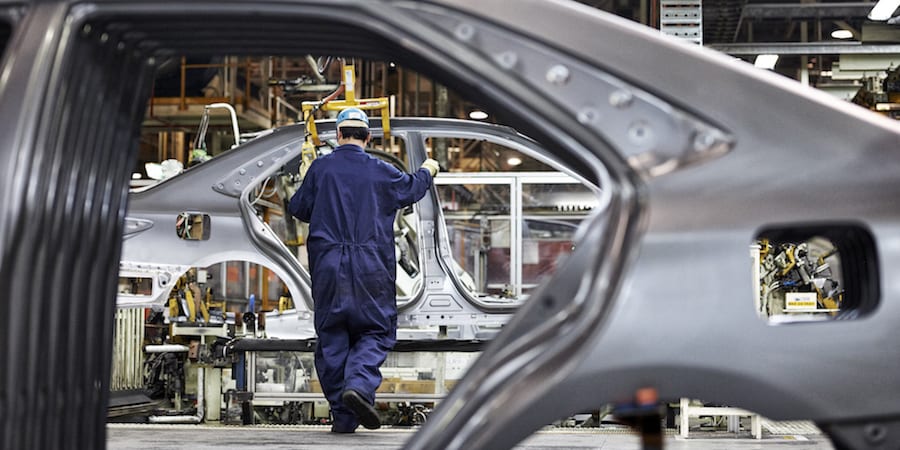

WOMACK'S YOKOTEN – On October 3, Toyota will cease its manufacturing operations in Australia, but the way it is managing the transition - in the leanest way possible - holds great lessons for us all.
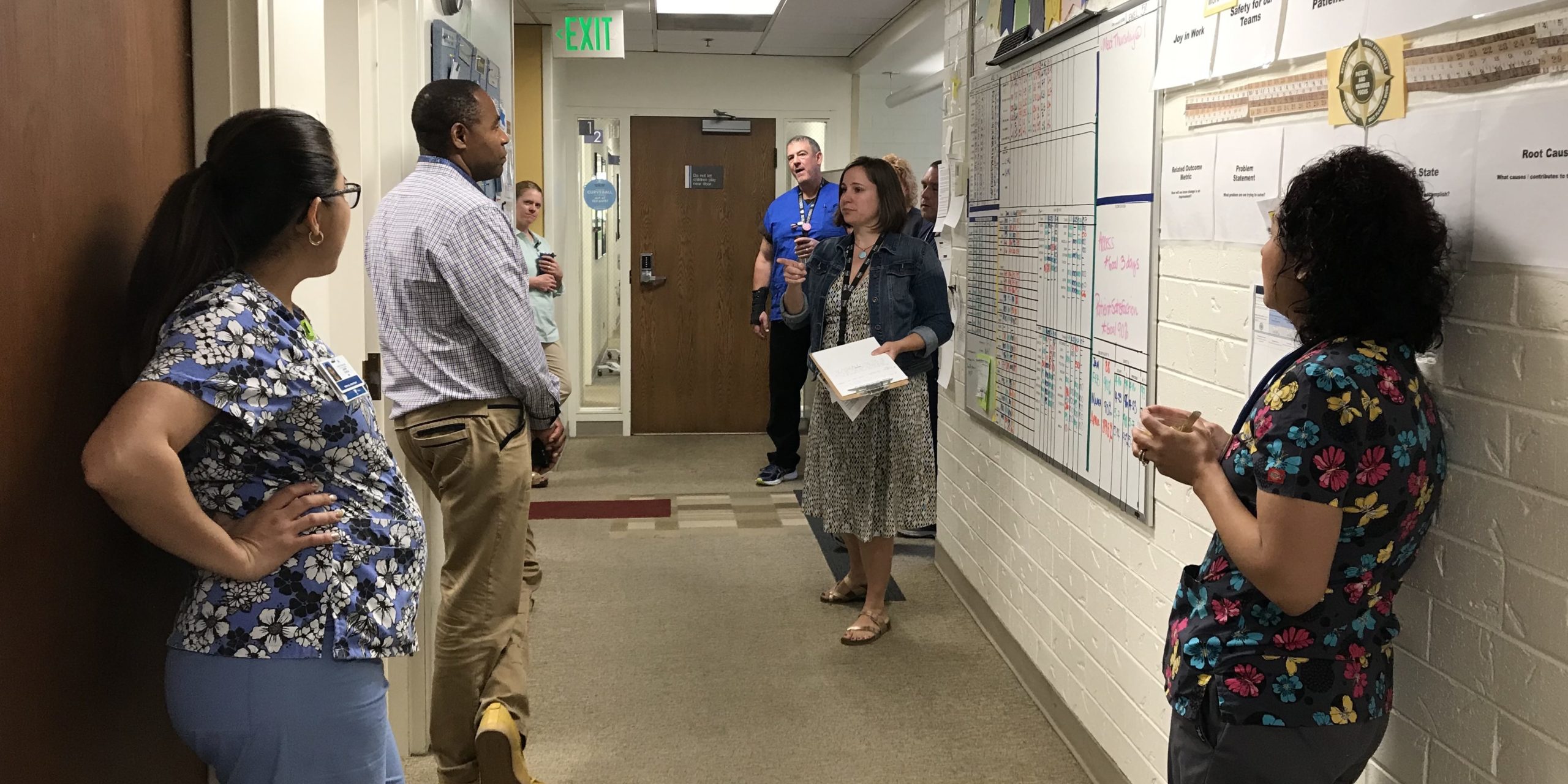
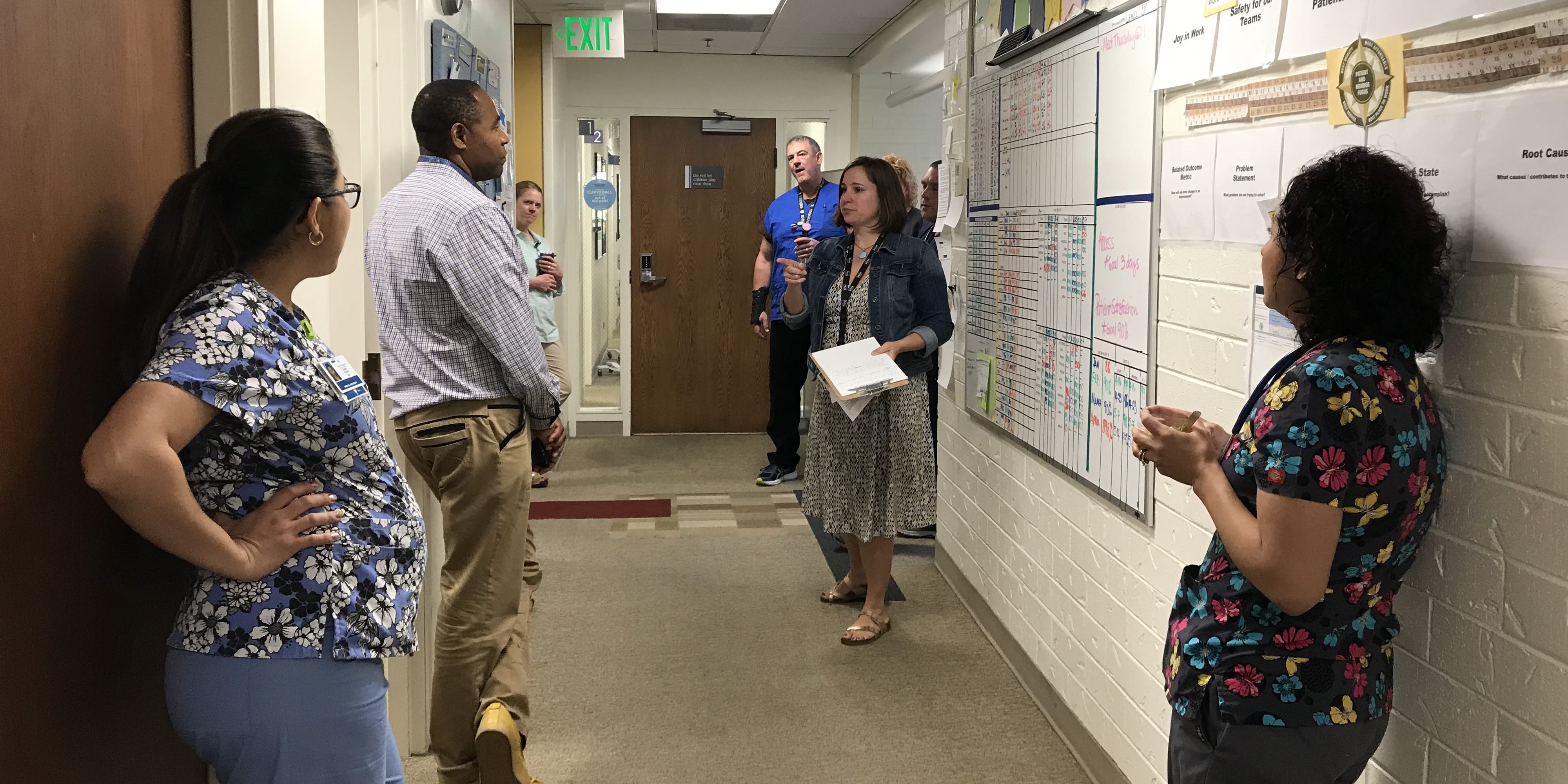
CASE STUDY – A physician tells PL the story of how the East Denver Medical Office became a catalyst for the lean transformation at Colorado Permanente Medical Group.

FEATURE – Nordic Door and its Lithuanian partner NDC are applying Lean Thinking and PDCA to develop people, improve quality, and strengthen trust across borders through shared learning.
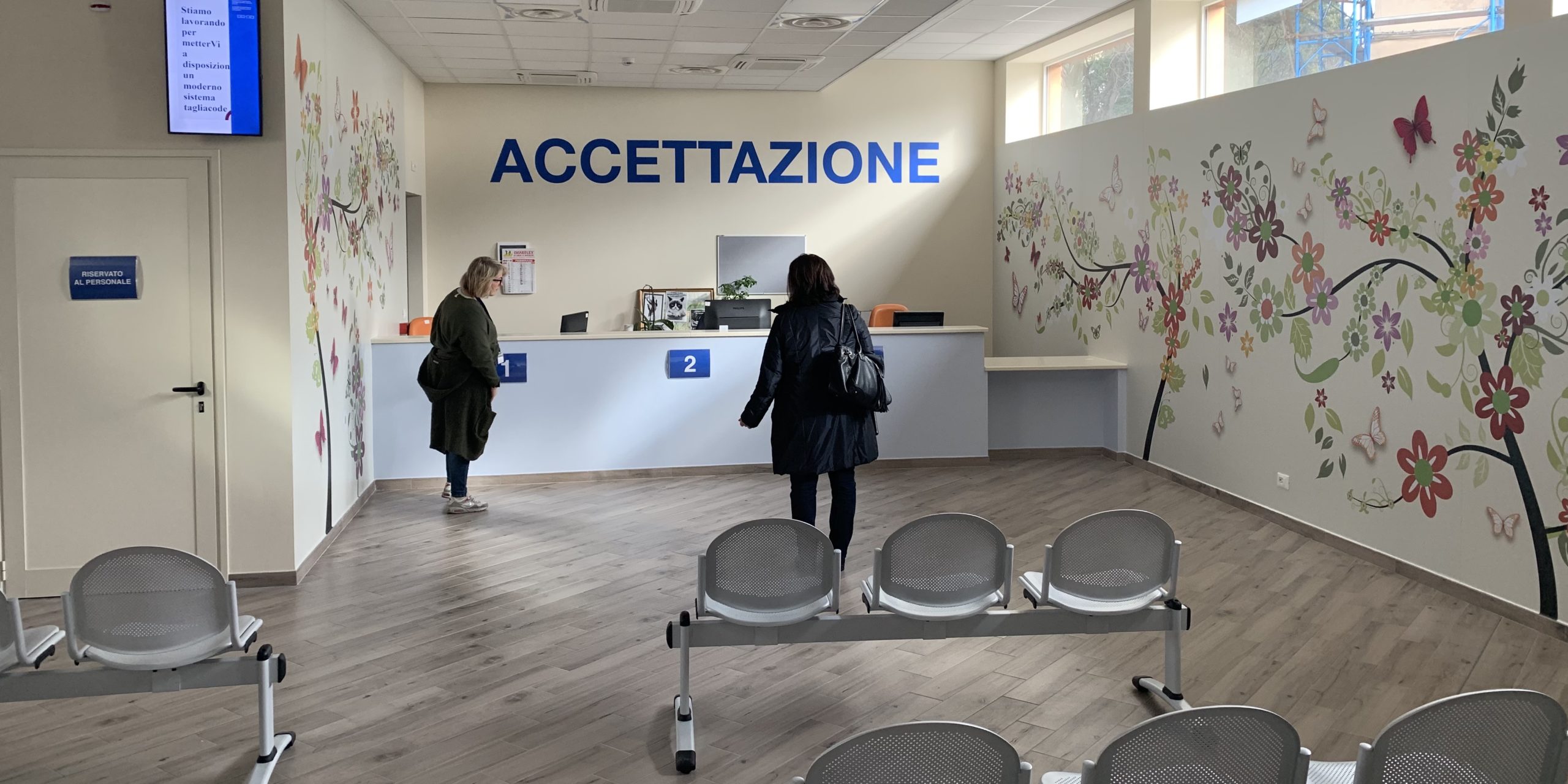
FEATURE – The renovation of one of its departments gave a hospital in Italy the perfect opportunity to redesign his oncology care with lean healthcare principles in mind.
Read more

FEATURE – The authors share the main insights from a webinar with two Toyota leaders from South America, on the leadership practices that have allowed the company to sustain results for decades.

ROUNDUP – Our editor reflects on the all-important lean concept of “respect for people” and shares some of the best content published by Planet Lean on the subject.

FEATURE - Are Toyota’s MIFA and Value Stream Mapping really different? This article explores their shared origins, challenges misconceptions, and explains why effective mapping starts with problems.

FEATURE – Respect is Lean's generative principle. The author maps how it radiates toward self, team, customers, suppliers, society — separating real transformation from mere deference.