

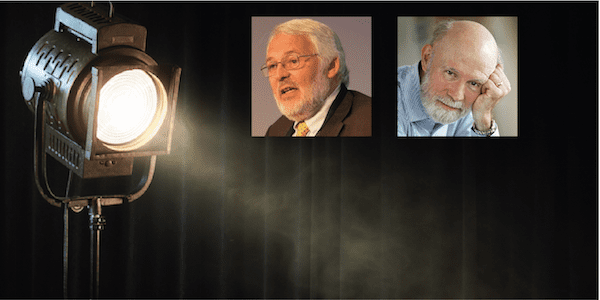
Womack and Jones: the fathers of lean thinking interviewed
VIDEO INTERVIEW - At last month's UK Lean Summit, we sat down with Dan Jones and Jim Womack, founding fathers of lean thinking, to discuss the evolution, current state and future of the methodology.
Interviewees: Dan Jones, Lean Enterprise Academy; Jim Womack, Lean Enterprise Institute
Interviewer: Roberto Priolo, Editor, Planet Lean
THE INTERVIEWEES


Daniel Jones and Jim Womack are co-authors of the seminal books The Machine that Changed the World, Lean Thinking and Lean Solutions and co-founders of the lean movement. Dan is founding chair of the Lean Enterprise Academy in the UK, while Jim served as chairman and CEO of the Lean Enteprise Institute in the US from 1997 to 2010.
Read more
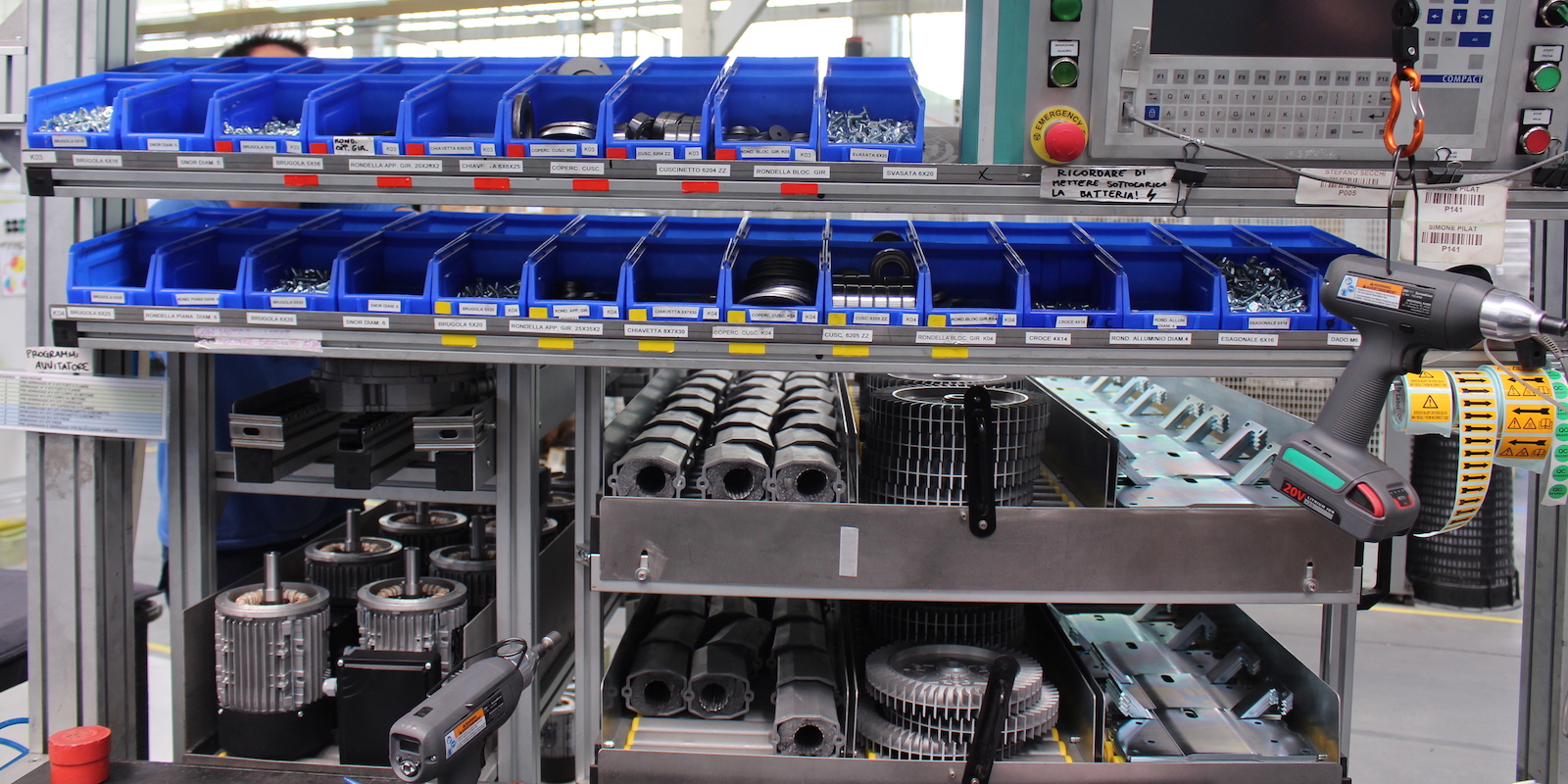

FEATURE – Two coaches from Italian company FPZ reflect on their role helping lean thinking spread across the company and its newly-acquired businesses.

FEATURE – Organizations can only reap the full benefits of modern technologies if they pair up their digitalization efforts with an enterprise-wide lean transformation.

INTERVIEW – With the closure of Toyota’s operations in Altona, the land Down Under is left without its lean poster child. Alister Lee tells us who the community there should look to next.
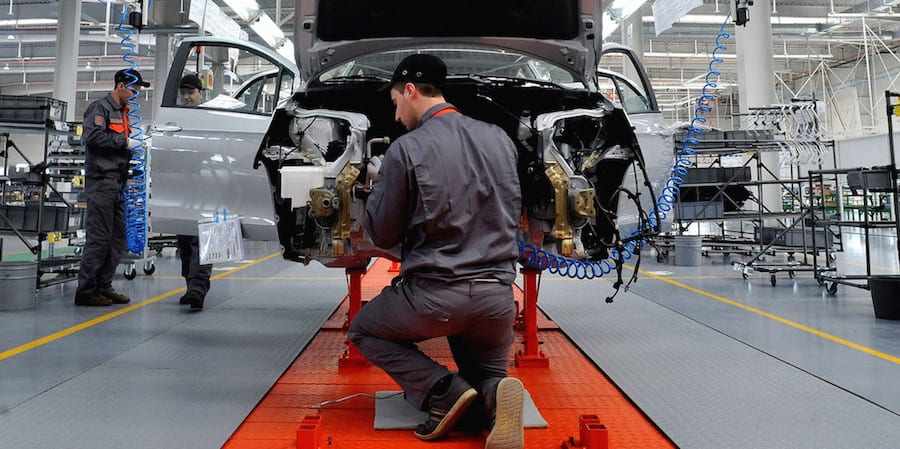
FEATURE - The original TPS "house" had levelled production at its foundation because Toyota understood that establishing and sustaining continuous improvement is impossible without creating stability in production first. What about your transformation?