


From caterpillar to butterfly: how we redesigned strategy at FPZ
FEATURE – FPZ’s Hoshin Kanri journey reframed strategy as a living system, aligning purpose, cross-functional tactics, and execution discipline to ensure adaptability and kickstart an organizational metamorphosis.
Words: Sergio Ferigo, Mauro Mantovanelli and Michela Sandoná
At FPZ, we often use the metaphor of metamorphosis to describe what real transformation feels like. Metamorphosis is not Kaizen in the narrow sense of small, incremental steps. It’s something deeper, more unsettling: you realize that the shape you are in—while still functional—is no longer sufficient. And become something new, you must let go of what once protected you.
This realization marked the beginning of our Hoshin Kanri journey. FPZ operates in a demanding industrial context. We design and manufacture blowers, industrial fans, and metering pumps used across a wide range of applications, from air handling to chemical dosing. We run four production plants, serve customers in over 70 countries, and operate across many industries. Complexity is part of our daily reality.
A few years ago, we understood that managing this complexity with traditional strategic planning was no longer enough. We needed a system that would allow us to deploy strategy consciously, align the organization, and adapt as we learned. That’s when we started working seriously with Hoshin Kanri.
OUR FIRST ATTEMPT
We began our Hoshin journey in 2017. At the time, we believed it would be a relatively linear path: define objectives, cascade them down, track KPIs, and deliver results. On paper, everything made sense. In practice, it didn’t.
We quickly ran into familiar obstacles: organizational silos; weak top-down alignment; the perception tht strategy is something “extra,” not part of daily work; and a structure that was not designed to adapt to strategic change. Most importantly, we realized we were treating Hoshin Kanri as a planning exercise, not as an operating system.
This was a turning point. We stepped back and asked ourselves why wer were doing this. The answer took us back to our purpose: inspiring people and pushing the limits for responsible industrial development.
From there, we rebuilt our approach.
STARTING FROM PURPOSE, NOT FROM KPIS
The first practical shift was to start from purpose. Together with the top management team, we ran workshops and brainstorming sessions to translate our purpose into three clear strategic pillars.
This was easier said than done. Alignment at the top level required time, discussion, and sometimes uncomfortable conversations. But it was essential because, without a shared understanding, no deployment would ever stick.
Once the pillars were defined and agreed upon, we built the Hoshin X-Matrix—strategic objectives, expected results, key KPIs, and four cross-functional tactics. Choosing only four tactics was a deliberate decision: these were not departmental initiatives, but cut across functions and forced collaboration. You couldn’t “complete” a tactic alone. This constraint turned out to be one of the most powerful design choices we made.
To bring the strategy to life, we created an Obeya—a real, physical space where strategy lives. This room is open, accessible, and actively used. In it, you can see our strategic pillars, our four tactics and their related A3s, our KPIs, and the interdependencies between projects.
The Obeya changed the conversation and made our strategy tangible. People could walk in, see where we were going, understand priorities, and ask questions. Just as importantly, teams started looking not only at their tactic, but at the others. This created a shared sense of direction and mutual accountability.
FROM STRATEGY TO EXECUTION
As our strategy became clearer, another challenge emerged: execution complexity.
Each tactic contained multiple projects, often with strong interdependencies. To manage this, we built a macro-level project map, including a high-level Gantt view that showed how initiatives were connected. This tool was never meant to micromanage teams. Its purpose was to give the Hoshin team a system-level view that tells us where dependencies exist, where delays could propagate, and where capacity constraints might emerge.
At the same time, we allowed teams to manage their projects using flexible methods, as long as progress and data remained visible and consistent. The key was balance: structure at the system level, adaptability at the execution level.
To keep the system alive, we designed a clear meeting cadence. We introduced Hoshin team reviews focused on next steps and systemic risks, KPI and timeline reviews at the strategic level, and weekly operational meetings using Kaizen boards to connect daily improvement to strategic priorities.
This rhythm helped us avoid two common traps: losing sight of the strategy, or drowning in reporting. The same logic applied at every level, creating coherence without rigidity.
One of the hardest parts of the journey was cultural, as it often happens in a lean transformation. Strategy only works if it is shared: if it stays in the hands of a few leaders, it weakens. That’s why we made the Obeya fully open. Anyone can walk in, see the boards, and understand where FPZ is going at any given time.
This openness invites curiosity. It encourages people to ask questions and engage with the future of the company. Over time, we saw more teams coming to the Obeya because they wanted to understand how their work fit into the bigger picture.
Leadership played a critical role here. It is our role to make space for learning, acknowledge uncertainty, and celebrate progress.
A VISIBLE METAMORPHOSIS
The metaphor of metamorphosis is not just symbolic for us—it’s very practical. One of the most tangible changes has been the transformation of our production system, which moved from a traditional functional layout to a cellular manufacturing model, with multiple “micro-factories” inside our plants.
This shift unlocked new possibilities, from the easier replication of production cells across regions to greater responsiveness to local market needs and faster deployment of new technologies and materials.
The the most important change, however, is perhaps less visible: how we think about the organization itself. We’ve learned to name things for what they are (business units, value streams, real companies within the group) and to give them the management systems they actually need.
Metamorphosis is never comfortable, but it is necessary when your “skin” becomes too small for who you are becoming. At FPZ, we are still in transformation; we always will be. But today, we have a system that allows us to see, learn, and adapt together. And that makes all the difference in the world.
THE AUTHORS

Read more


CASE STUDY – Italian company El.Co. leveraged digitalization to overcome some key limitations of its manual kanban system while maintaining its pull system intact.
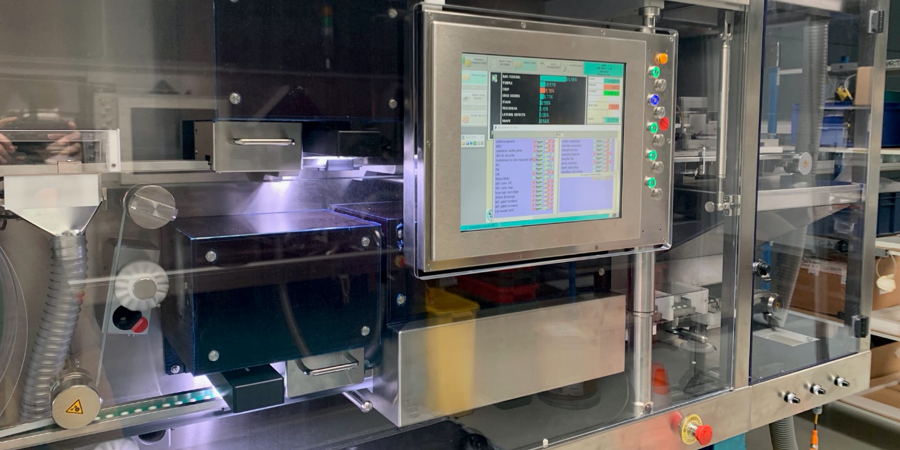
NOTES FROM THE (VIRTUAL) GEMBA – In this new series - one new article every week during the Covid-19 crisis) - the author asks companies how they are reacting to this health emergency. First up, Proditec.
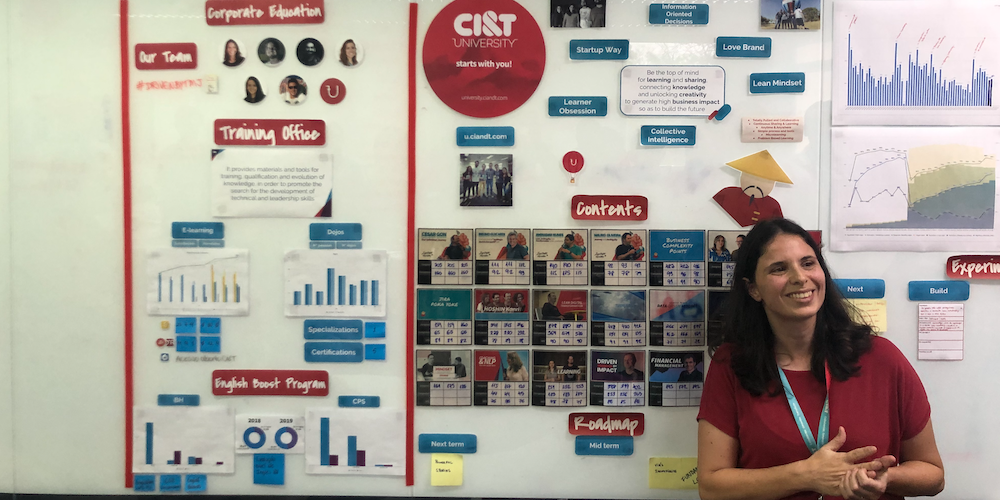
FEATURE – Last month, the Lean Global Network met in Brazil for its annual meeting. As part of it, we visited several amazing gembas. Three of our lean coaches reflect on what we learned.

VIDEO GEMBA WALK - Last week PL went to Brazil. We joined a doctor at the gemba in one of the hospitals we visited and asked her to show us their visual management system in the ER.
Read more
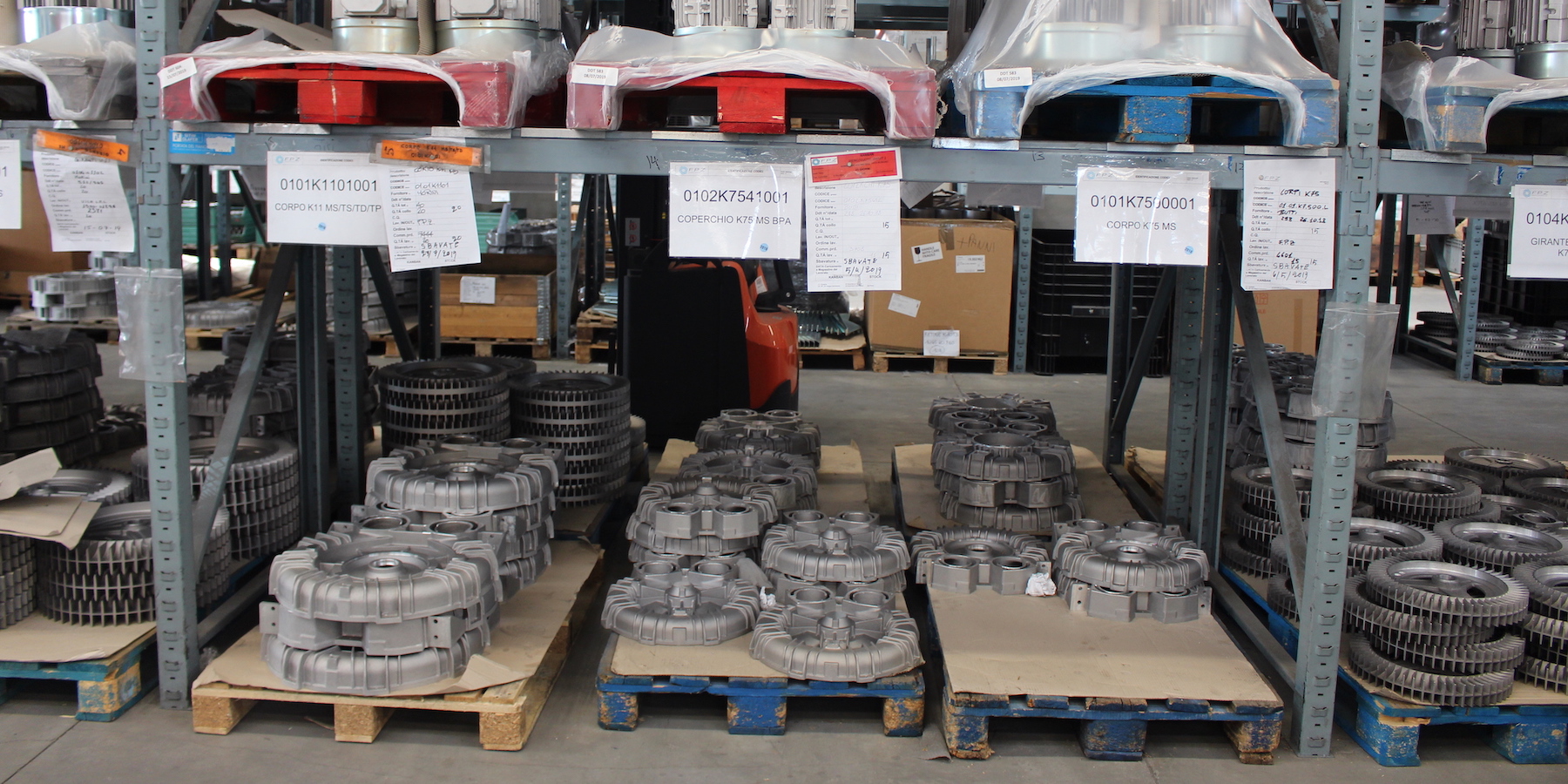
CASE STUDY – Seven years ago, this Italian manufacturer ran an experiment to reduce inventory in its warehouse. Today, lean thinking permeates every aspect of life at FPZ.
CASE STUDY — The CEO of an Italy-based hydraulic valves manufacturer recounts the company’s move from inventory-heavy uncertainty to customer-driven flow, using Kanban to collapse lead-times and eliminate warehouses.
INTERVIEW – The former executive of the Toyota Material Handling plant in Italy reflects on how Sadao Nomura’s “Dantotsu” method helped them to drastically improve quality.

CASE STUDY – This digital organization has embarked on a cultural transformation that is allowing them to become more agile while keeping people and stimulating interactions at the heart of their work.